
Why Your Team Keeps Fighting Over the Thermostat and Chairs: Solving Office Comfort Complaints
- 11 Sep, 2026
- Guides
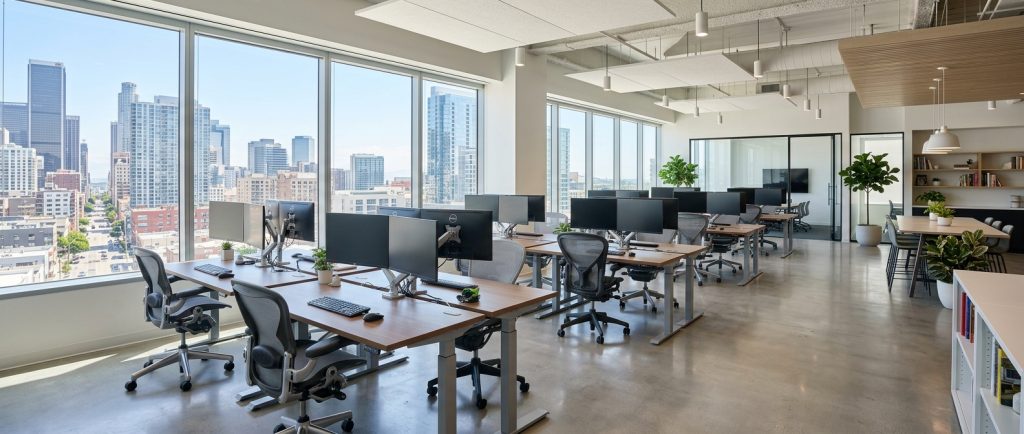
The thermostat isn’t the real problem — it’s a proxy war for the fact that one HVAC setting can’t compensate for furniture that doesn’t fit half your staff. When chairs don’t support proper posture and desks force awkward positioning, people’s bodies generate and lose heat unevenly, so ‘I’m freezing’ from one person and ‘It’s an oven’ from another can both be true in the same room. Solve the furniture mismatch first, and you’ll find the temperature complaints drop dramatically.
Your Body Regulates Temperature Based on Posture, Not Just Air
Here’s something most facility managers don’t know: sitting hunched forward with poor circulation makes you feel colder, even in a warm room. Poor posture restricts blood flow to extremities, and cold hands or feet get blamed on the thermostat every single time.
Meanwhile, someone slouched in a chair that’s too small for them generates extra muscle tension just staying upright — that’s actual heat production, which makes them feel warmer than a colleague sitting relaxed and well-supported nearby. Two people, same room, opposite complaints, and neither is about the actual air temperature.
The Chair-Body Mismatch Nobody Measures
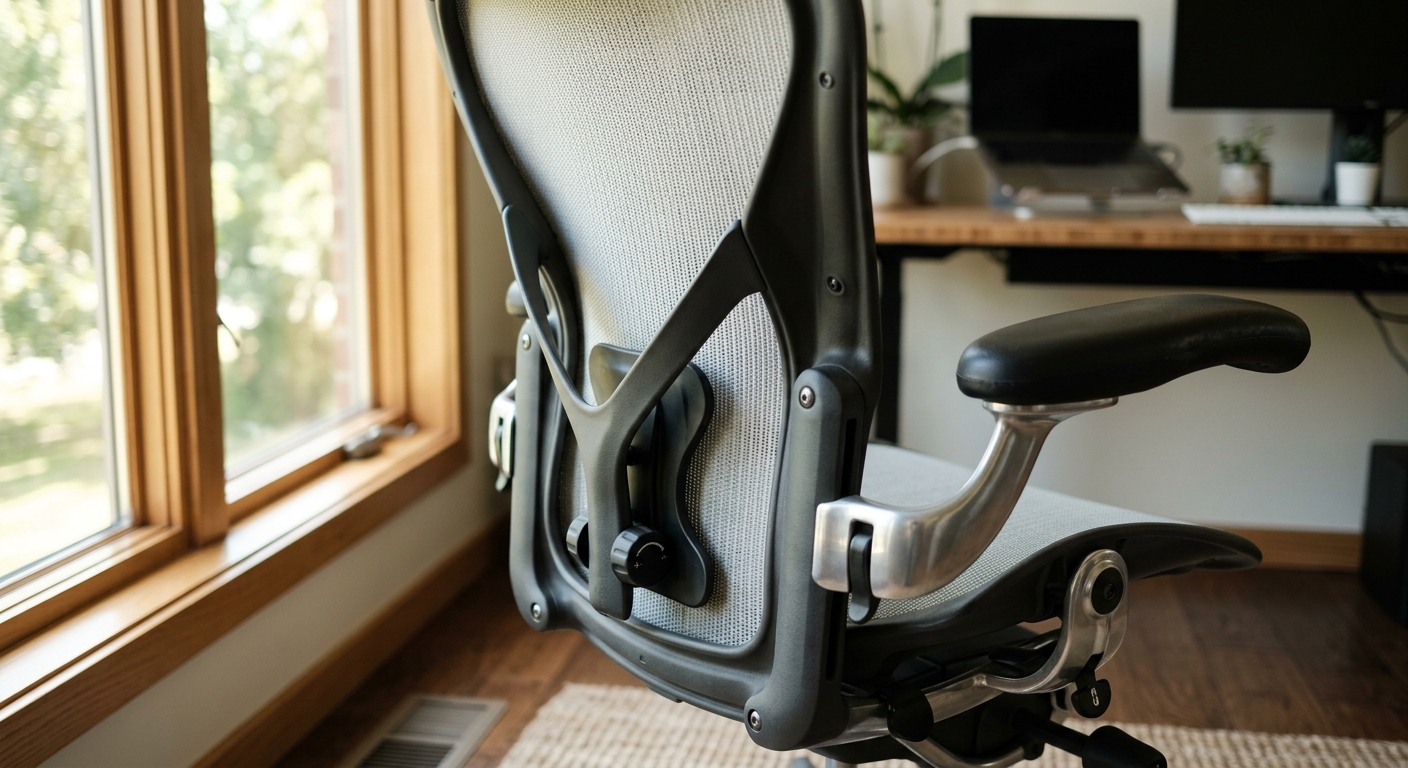
Most offices buy one chair model in bulk and call it done. But a 5’2” employee and a 6’3” employee in the same chair are dealing with completely different pressure distribution, seat depth, and airflow around their body. Check out types of desk chairs and which one fits your workspace best before assuming everyone needs the same seat.
Mesh vs. Foam: Why Half Your Office Feels a Different Temperature
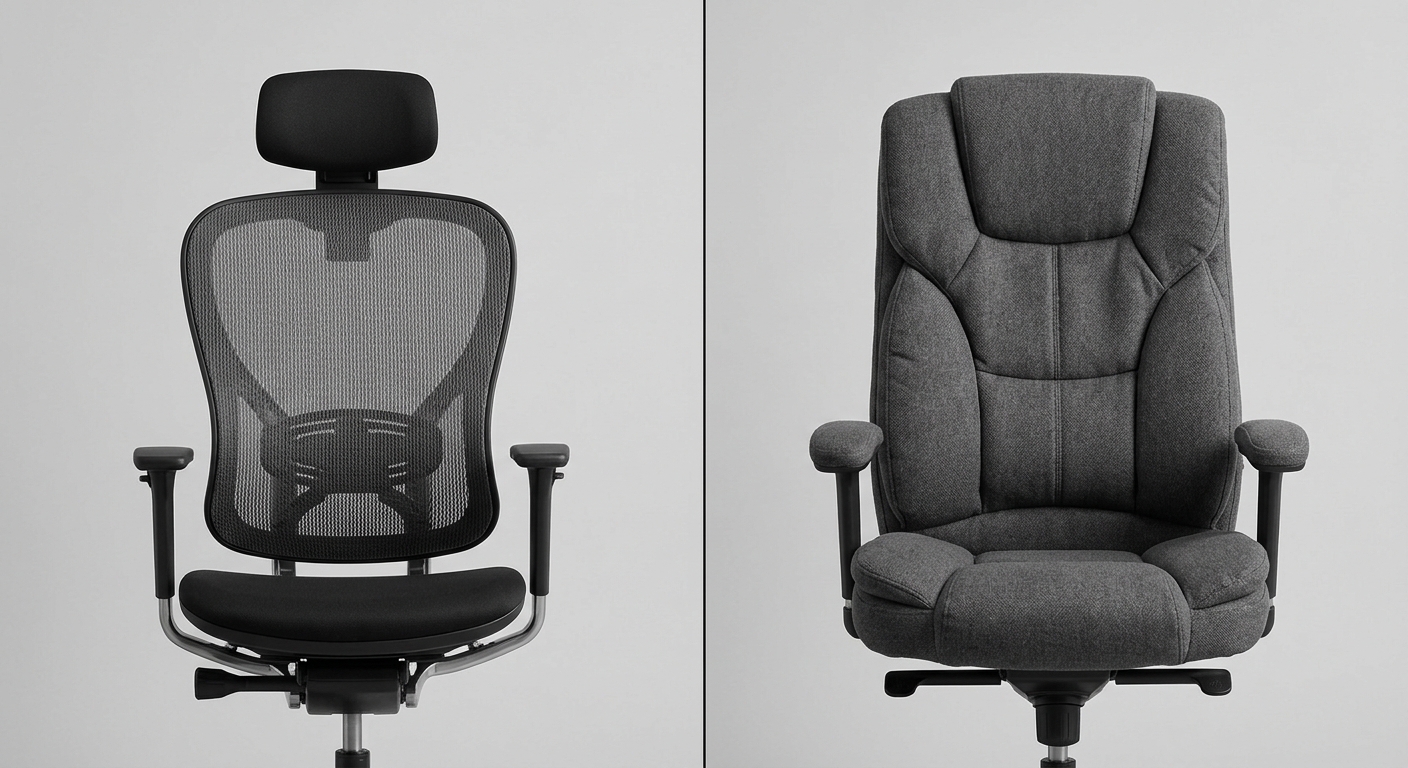
If your office has a mix of foam-cushioned chairs and mesh-back chairs, you’ve unknowingly built a temperature inequality into the seating plan. Foam traps body heat — it’s why people sitting in older padded chairs often complain about warmth after 45 minutes, while colleagues in breathable mesh chairs across the aisle feel completely comfortable.
We break this down in detail in Mesh vs. Foam vs. Hybrid Seat Cushions: What the Specs Actually Mean — but the short version is that mesh disperses heat, foam insulates it. If your thermostat complaints cluster around specific desks, check what chair sits there before touching the HVAC controls.
A Quick Diagnostic
- Ask complainers what chair they’re sitting in — foam or mesh
- Map complaints against seating, not just floor location
- Notice if temperature complaints resolve when someone swaps seats
Desk Height and Airflow: The Overlooked Variable
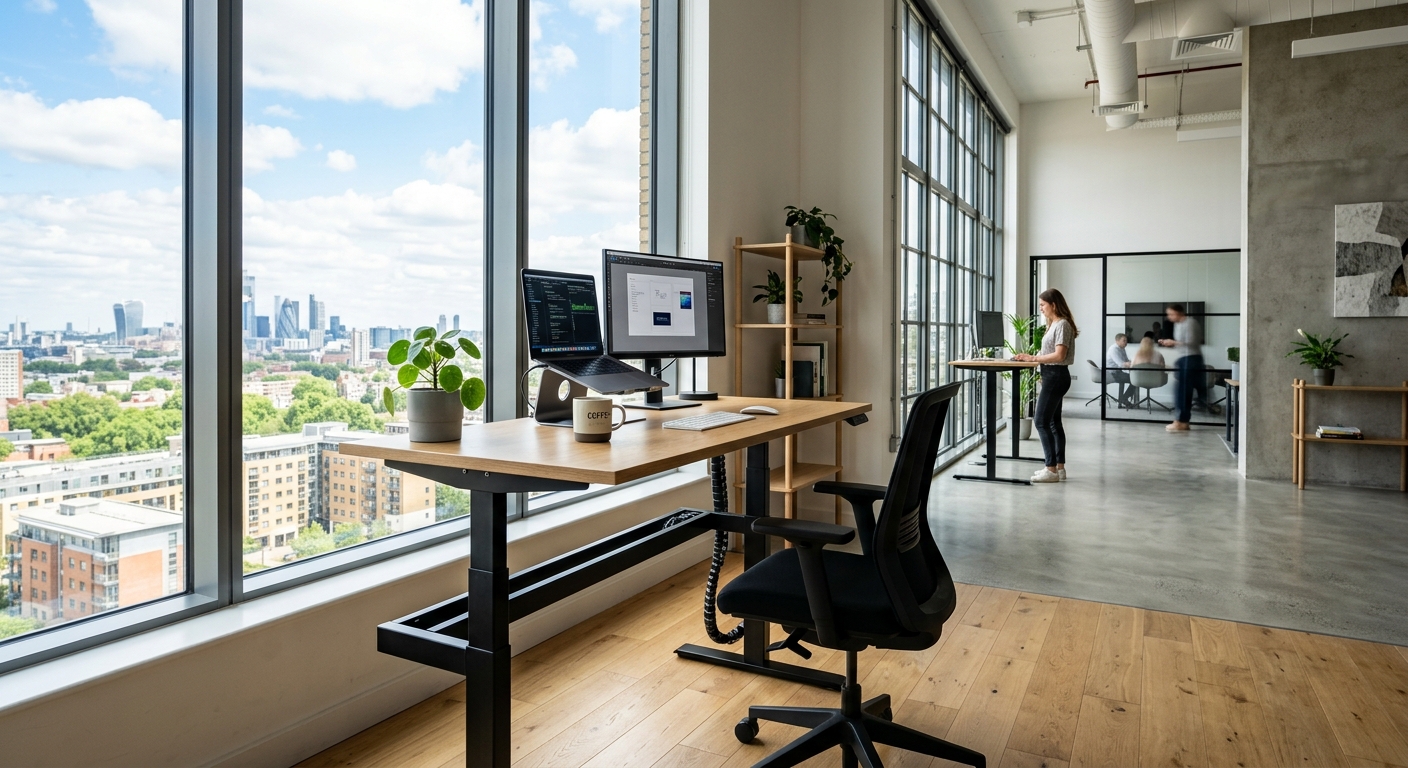
Fixed-height desks that are too low or high force people into positions where their forearms rest against the desk edge, cutting circulation and making hands go cold. This is a genuinely common complaint in offices with legacy furniture that hasn’t been resized for a taller or shorter workforce.
Sit-stand desks solve part of this by letting people change position and keep blood moving throughout the day — see our Sit-Stand Desk Procurement Checklist for Office Managers if you’re evaluating options. For instance, a mid-size accounting firm we’ve seen swapped 40% of fixed desks for adjustable ones near a drafty exterior wall, and thermostat complaints from that section dropped noticeably within a month — not because the HVAC changed, but because people could move and warm up on their own terms.
The Real Case Study: One Floor, Two Complaint Zones
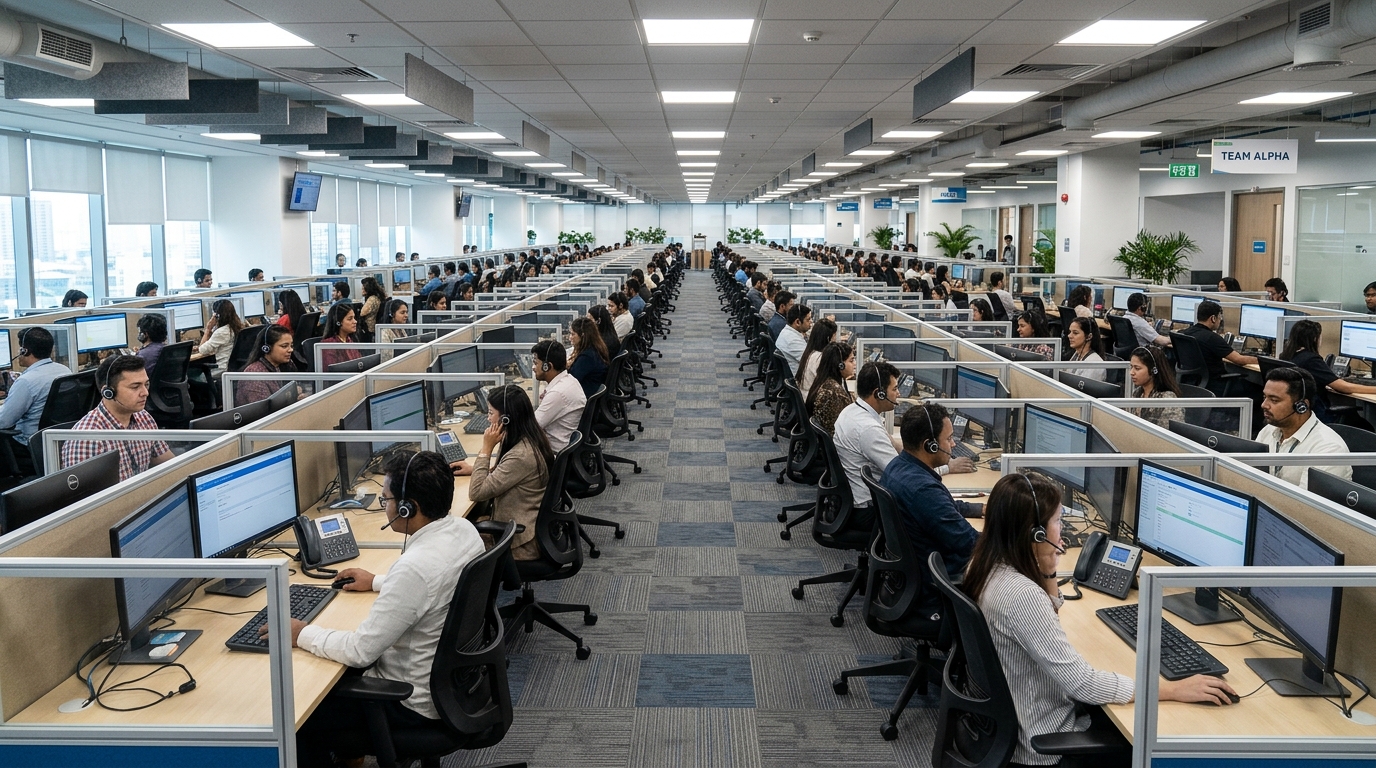
A 120-seat call center client had a persistent pattern: the north side of the floor filed hot complaints, the south side filed cold complaints, and facilities kept adjusting the same zone thermostat with no resolution for months. Turned out the north side had older foam task chairs from a 2016 purchase, and the south side had been upgraded two years earlier to breathable mesh chairs.
The fix wasn’t touching the HVAC at all — it was standardizing seating across the floor. Once both sides had the same chair type, the ‘hot zone’ and ‘cold zone’ complaints essentially vanished, because the real variable had been chair material, not airflow. This kind of pattern is common in call centers and other 24/7 workstation environments where furniture gets replaced in batches instead of all at once.
Why ‘Just Buy Better Chairs’ Isn’t the Whole Answer
Buying premium chairs without adjusting them properly is like buying a suit and never getting it tailored — you paid for quality but you’re still uncomfortable. Most ergonomic chairs have 5-7 adjustment points (seat depth, lumbar height, armrest width, tilt tension, headrest angle) and most employees never touch more than the seat height.
We cover this gap in Ergonomic Chair Adjustments Most People Never Touch. If your team is fighting over comfort despite having decent chairs, the issue might be a 10-minute fitting session away from resolution, not a $400 chair upgrade.
The Psychological Layer: Comfort Complaints Are Often Control Complaints
Here’s an uncomfortable truth: some thermostat fights aren’t about comfort at all — they’re about feeling powerless over your own workspace. When someone can’t adjust their chair, can’t move their desk, and can’t control the air around them, the thermostat becomes the one battleground where they can voice frustration.
Giving people small, real controls — adjustable chairs, desk mats, personal fans, task lighting — reduces the psychological need to escalate over the one shared control point in the room. This ties directly into the psychological impact of office furniture on workplace productivity: autonomy over your immediate environment measurably reduces stress-driven complaints, thermostat included.
Layout Matters More Than You Think
Desks positioned directly under vents or against uninsulated exterior windows will always run hotter or colder than the rest of the floor, no matter what the thermostat reads. This is a layout problem, not an HVAC problem, and it’s one of the most common oversights we see in office design.
Before ordering new furniture, walk the floor with a simple thermal check: touch the glass near window desks, feel for airflow under vents, and note which desks are complaint hotspots. Our guide on measuring your office before ordering furniture covers how to map these variables before you commit to a layout that locks in the same complaints for another five years.
What Actually Fixes This — A Practical Checklist
Stop adjusting the thermostat by two degrees every week and start auditing furniture instead. Here’s the order of operations that actually works:
- Standardize chair type across zones with similar temperature complaints
- Offer 2-3 chair size options instead of one universal model
- Move desks away from direct vent airflow and uninsulated glass
- Train staff on the 5+ adjustment points their existing chairs already have
- Add sit-stand options in chronic complaint zones to let people self-regulate
- Only after all of the above, consider a genuine HVAC recalibration
Most offices skip straight to step six and wonder why nothing changes. The furniture layer resolves 70-80% of comfort complaints before the air system is even the real issue.


