
Office Furniture for Neurodivergent Employees: Sensory-Friendly Design That Actually Works
- 30 Jul, 2026
- Guides
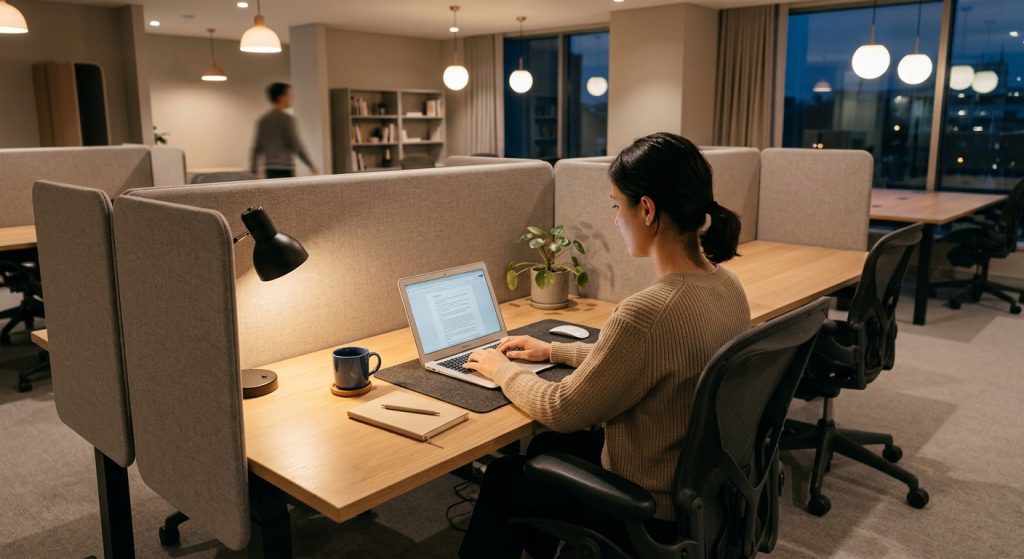
Sensory-friendly office furniture works when it gives employees control — over light exposure, sound, movement, and physical contact with materials — rather than forcing a single ‘calming’ aesthetic on everyone. The real fix isn’t a beige room with soft lighting; it’s a mix of furniture options (task chairs with different textures, adjustable partitions, movement-friendly seating) that let neurodivergent staff self-regulate throughout the day. Get this wrong and you get expensive furniture nobody actually uses. Get it right and you cut sensory-triggered absenteeism and turnover.
Why ‘Calming Colors’ Alone Don’t Fix Sensory Overload
Here’s a mistake we see constantly: a company repaints the office in muted sage green, adds a few plants, calls it done. That’s decoration, not design. Sensory overload for autistic and ADHD employees usually comes from a combination of unpredictable noise, harsh overhead lighting, and lack of control over personal space — color palette is a minor factor compared to those three.
Fluorescent lighting flickers at 100-120Hz, a rate most people don’t consciously notice but that some neurodivergent individuals report as genuinely painful or nauseating. Swapping to furniture with built-in task lighting (desk-integrated LED strips at 3000-4000K, dimmable) lets each person set their own light environment without renegotiating the whole floor plan.
The noise problem is furniture, not just acoustics
Chair casters on hard flooring, gas-lift hiss when someone adjusts height, drawer slides that bang shut — these micro-noises compound over an 8-hour day. Specifying furniture with dampened mechanisms and soft-close hardware is a cheap fix with outsized impact.
Seating That Allows Movement Without Being ‘Weird’
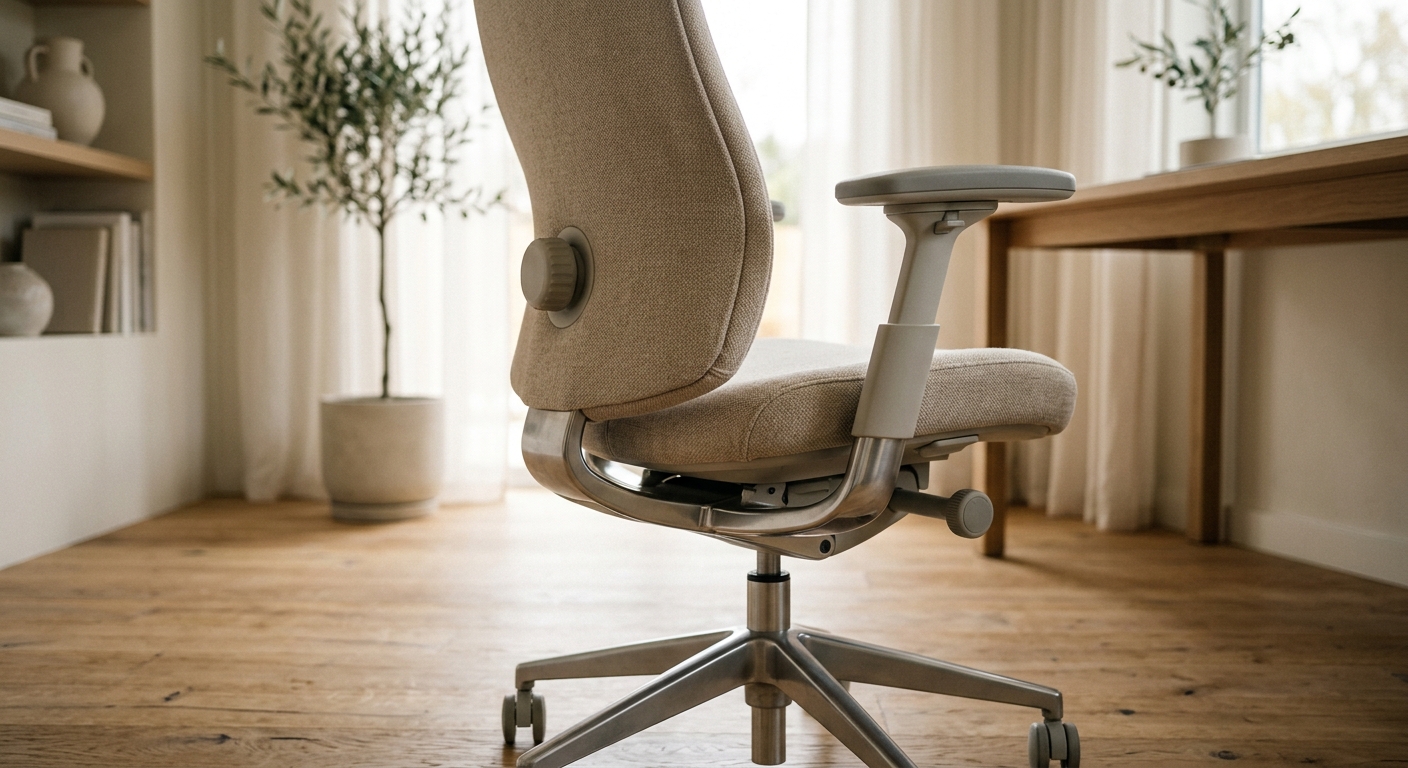
Stimming through movement — leg bouncing, chair rocking, foot tapping — is common among ADHD and autistic employees, and it’s often more productive than suppressed stillness. The problem is most task chairs actively fight this: locked-tilt mechanisms, narrow seat pans, armrests that box in the legs.
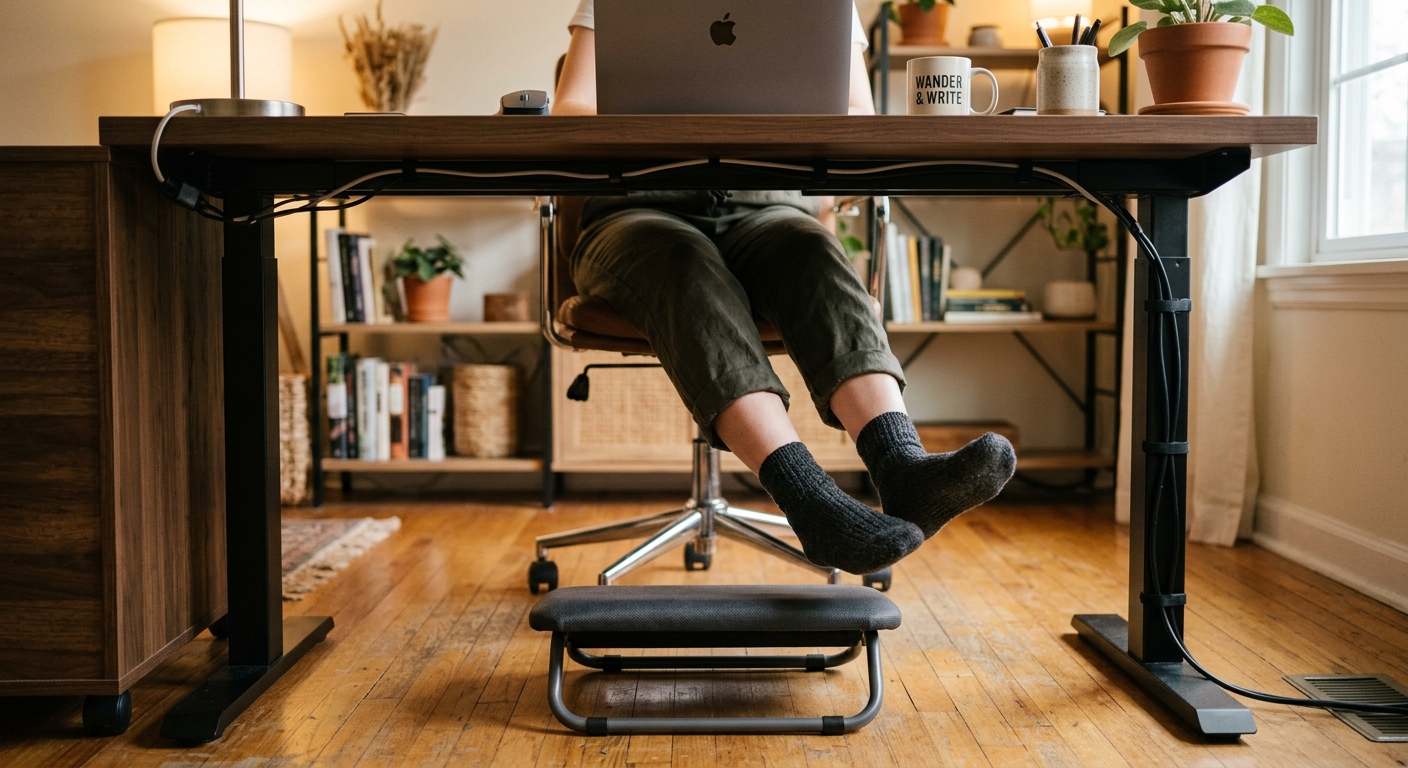
Chairs with a free-float tilt mechanism and a slightly wider seat pan let someone rock gently without it looking disruptive or triggering a ‘stop fidgeting’ comment from a manager. Under-desk footrests that allow swinging or pressing also give a discreet outlet. This matters more than people think — suppressing stimming has been linked in occupational research to increased anxiety and reduced task focus.
If you’re rethinking seating stock more broadly, our breakdown of desk chair types is a useful starting point before you add sensory-specific criteria on top.
Texture Choice Isn’t Cosmetic — It’s Functional
Tactile sensitivity is one of the most under-addressed issues in office furniture procurement. Scratchy poly-blend mesh, cold metal armrests, or rigid vinyl can be genuinely distracting or aversive for some employees, to the point where they avoid sitting properly or fidget constantly with clothing to compensate.
The fix isn’t picking one ‘safe’ fabric for the whole office — it’s stocking 2-3 upholstery options (a soft-touch fabric, a smooth performance textile, a breathable mesh) and letting employees choose during onboarding. One coworking operator we know keeps a small swatch box at the front desk specifically for this reason; new members test textures before their chair is even ordered.
If your facilities team is comparing upholstery durability against comfort, it’s worth reading about mesh vs. foam vs. hybrid seat cushions before locking in a standard spec.
Desk Layouts: Enclosure Beats Openness for Focus
Open-plan offices are consistently the hardest environment for neurodivergent employees managing sensory input — too much peripheral movement, too many ambient conversations, no visual boundary to signal ‘do not interrupt.’ The fix isn’t reverting to full cubicle farms; it’s modular partial enclosure.
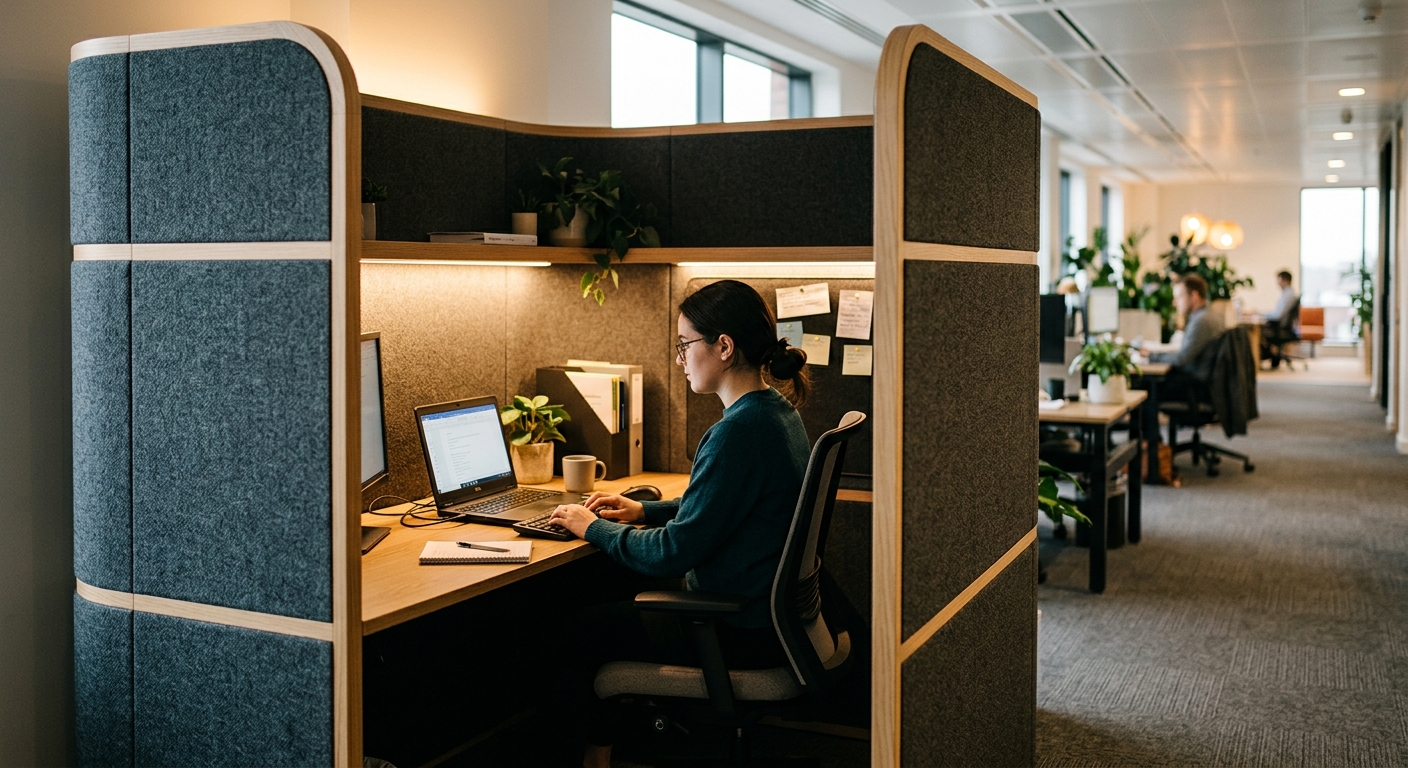
Desks with 4-inch-plus privacy screens on at least two sides, positioned so the employee’s back isn’t exposed to walking traffic, reduce the constant low-grade vigilance that drains executive function by mid-afternoon. Some companies go further with semi-enclosed pod seating for 1-2 people, giving a middle ground between full privacy office and open bullpen.
This connects directly to a broader layout decision — see our comparison of open plan vs. private office furniture choices for how enclosure trade-offs play out at scale.
A real example
A regional software firm redesigned one wing specifically for a team with several ADHD and autistic engineers — swapping bench desking for L-shaped desks with 42-inch side screens and moving high-traffic printer stations 30 feet away. Self-reported focus-related complaints dropped noticeably within the first quarter, according to their internal survey.
Quiet Zones Need Real Furniture, Not Just a Sign on a Door
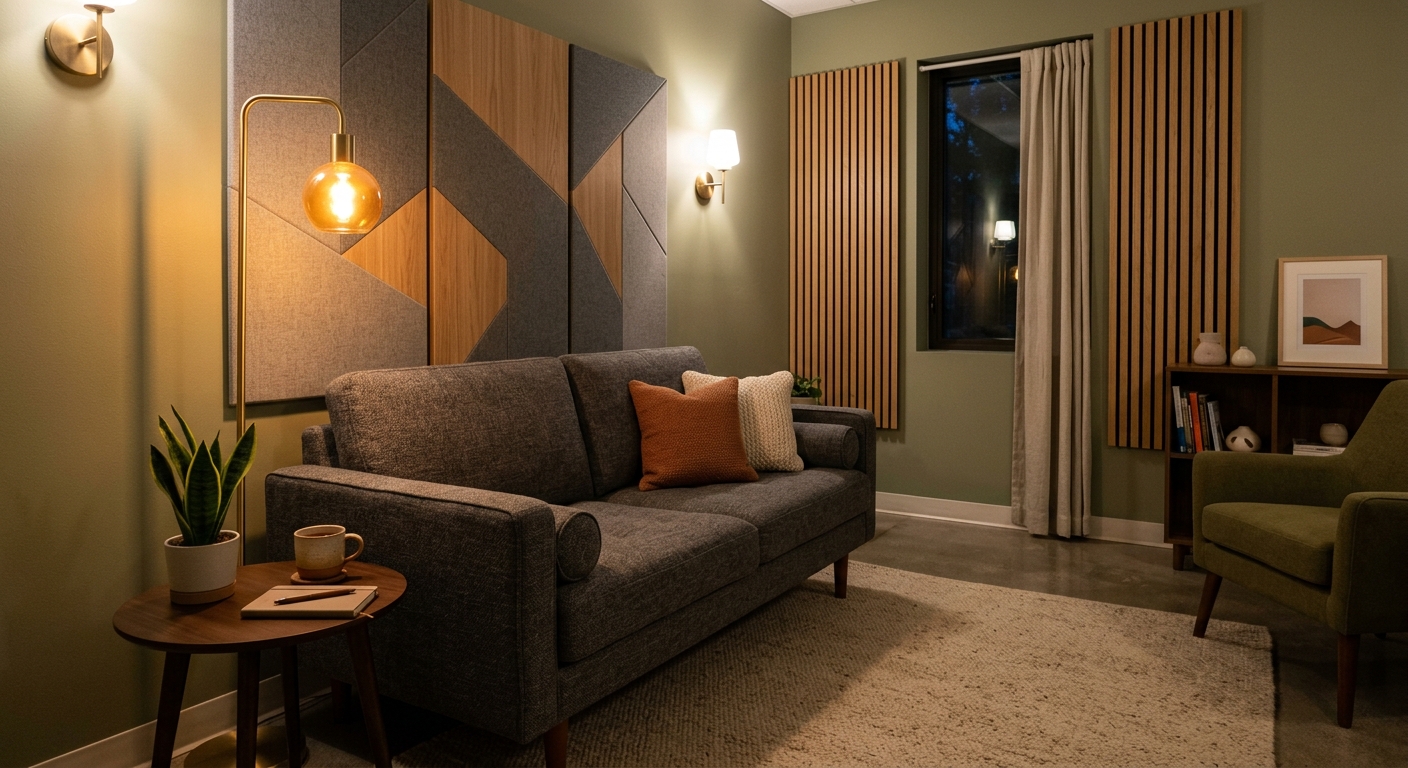
A room labeled ‘Quiet Zone’ with the same hard chairs and fluorescent panel lighting as the rest of the office isn’t actually quiet-friendly — it’s just a room with a sign. Genuine sensory retreat spaces need furniture that changes the sensory experience, not just the square footage.
That means: a soft seating option (not the boardroom leftovers), dimmable or warm-toned lighting fixtures separate from the main office circuit, and sound-dampening upholstered panels rather than bare drywall. If the space also functions as an informal lounge, our guide on choosing between a sofa and a couch for office use is directly relevant — a couch’s firmer structure often works better for a shared regulation space than a deep lounge sofa that’s hard to get out of quickly.
Storage and Clutter: The Overlooked Sensory Trigger
Visual clutter is a real sensory load, not just an aesthetic preference. Overflowing shared shelves, mismatched bins, and desks with no defined storage boundary create a constant low-level ‘unfinished business’ signal that’s exhausting for employees who process visual information more intensely.
Assigning proper personal storage — even a simple two-drawer unit — gives each employee a defined boundary for their stuff, which measurably reduces the anxiety of an ever-encroaching shared space. For teams debating storage formats, our comparison of lateral vs. vertical file cabinets covers which format keeps a desk area visually calmer depending on document volume.
Where Sensory-Friendly Design Overlaps With ADA Compliance
Sensory accommodations often get treated as separate from formal accessibility compliance, but there’s real overlap — adjustable-height desks, clear floor pathways, and non-glare surfaces benefit both physical and sensory accommodation needs simultaneously. If your facilities team is already working through ADA and accessibility compliance in office furniture, sensory considerations should be folded into that same procurement review rather than handled as an afterthought request from HR.
One practical tip: when documenting accommodation requests, note the specific sensory trigger (light flicker, chair noise, fabric texture) rather than a vague ‘sensory sensitivity’ tag. It makes procurement faster and the fix more targeted.
Budgeting for This Without Overhauling the Whole Office
You don’t need to replace every chair in the building. Most sensory-friendly retrofits are targeted: a rotating stock of 3-4 chair textures for a 50-person office, one enclosed quiet room, adjustable task lighting for desks where it’s requested, and better casters or soft-close drawers as items naturally get replaced. That’s a fraction of a full furniture refresh budget.
If budget is genuinely tight, prioritize in this order: (1) lighting control, since it’s cheap and affects the most people, (2) noise reduction on high-traffic furniture, (3) one dedicated quiet space, (4) texture/seating options as chairs come up for replacement anyway. Trying to do everything at once usually means doing all of it poorly.


