
Fabric vs. Vinyl vs. Performance Textiles: Choosing Upholstery That Survives Real Office Life
- 25 Aug, 2026
- Guides
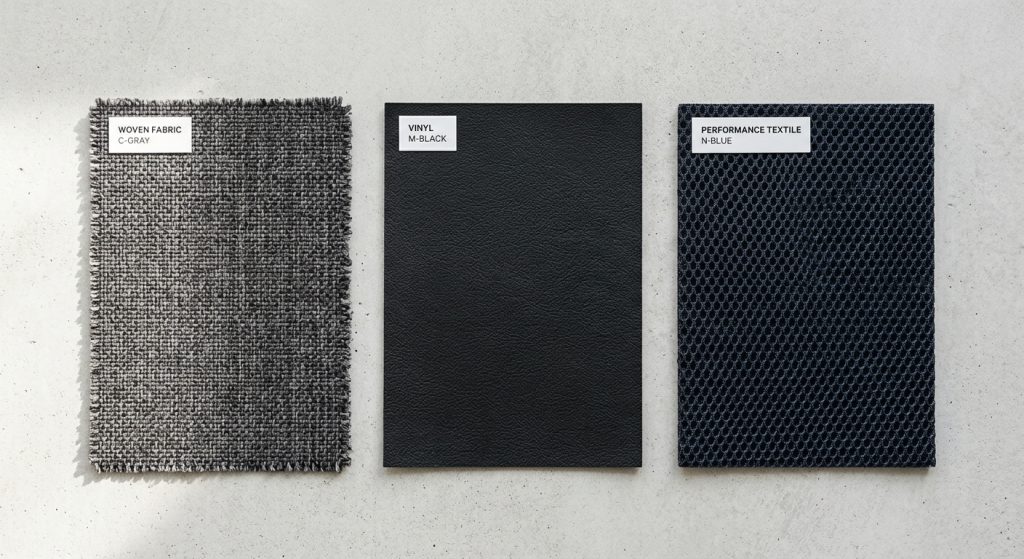
If your office chairs and sofas take a beating every day, performance textiles are almost always the smarter buy — they combine the wipeability of vinyl with the breathability of fabric, and they outlast both under heavy traffic. Fabric wins on comfort and looks in low-traffic executive spaces, vinyl wins on price and cleanability in clinical or spill-prone settings, but performance textile is the one that survives real office life: coffee spills, 10-hour workdays, and years of rotating bodies without looking wrecked. The right choice actually depends on where the seat lives, not just what it costs upfront.
Why ‘Durable Fabric’ Is Almost a Myth
Here’s an uncomfortable truth: most fabric marketed as ‘commercial grade’ fails within 2-3 years in high-traffic office seating. The abrasion rating on the tag — measured in double rubs via the Wyzenbeek or Martindale test — tells you how many cycles a fabric can survive before visible wear. Anything under 15,000 double rubs shouldn’t be anywhere near a reception area or open-plan workstation.
The problem is that a lot of woven fabric sold for office chairs sits right at that 15,000-30,000 range, which sounds impressive until you realize a chair used 8 hours a day, 5 days a week, hits tens of thousands of sit-and-shift cycles in under two years. That’s why so many companies find their new office furniture starts looking tired within weeks of heavy use — it’s not always comfort failing, it’s the textile.
What to actually check
- Ask for the double-rub number, not just ‘commercial grade’ on the spec sheet
- Look for tightly woven synthetic blends (polyester, olefin) over natural fibers for high-traffic zones
- Confirm whether the fabric has a stain-repellent finish applied, or if it’s raw
Vinyl: Underrated for the Right Rooms, Wrong for Others
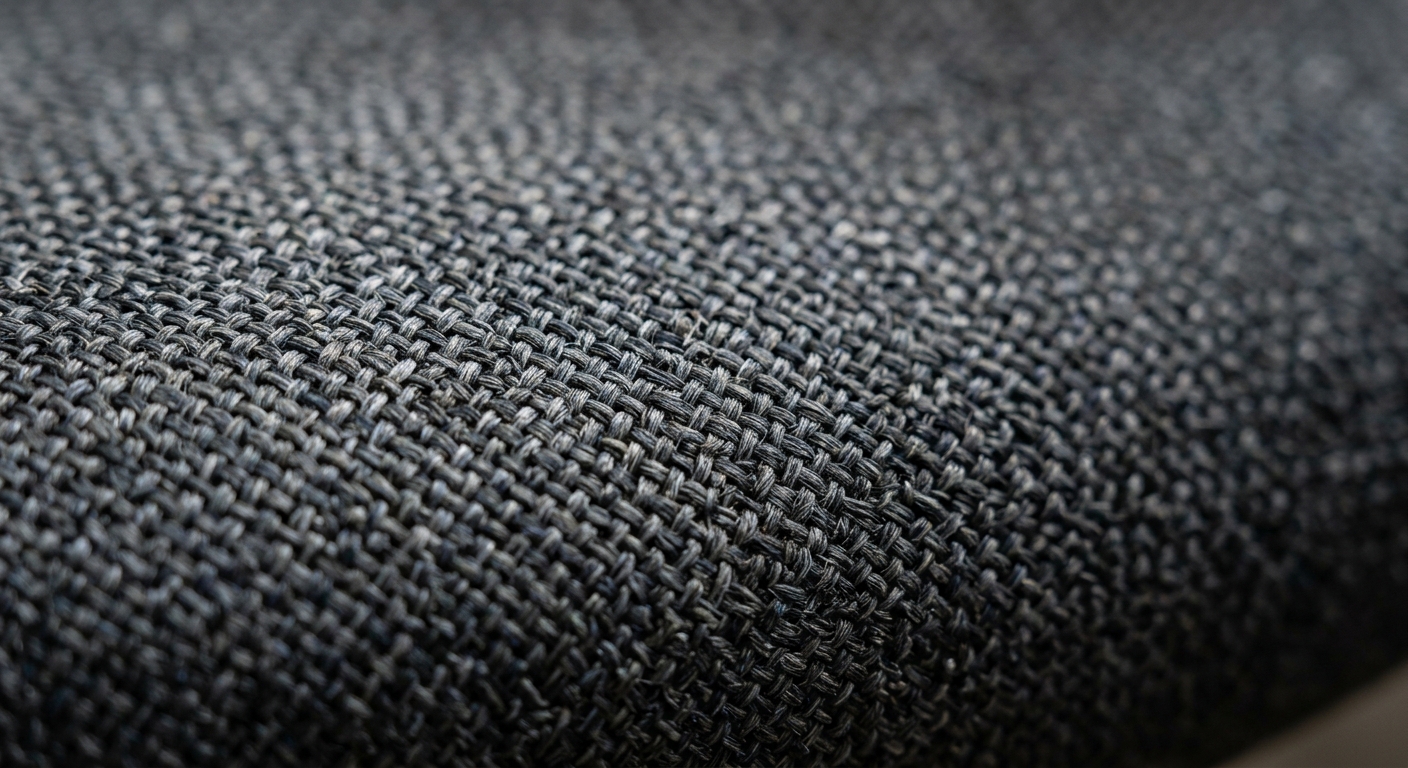
Vinyl gets a bad reputation it doesn’t fully deserve. Yes, it can feel sticky and hot after a long sit, and yes, cheap vinyl cracks and peels within a couple of years. But in the right application, vinyl is unbeatable — nothing wipes clean faster or resists bodily fluids, ink, and disinfectant better.
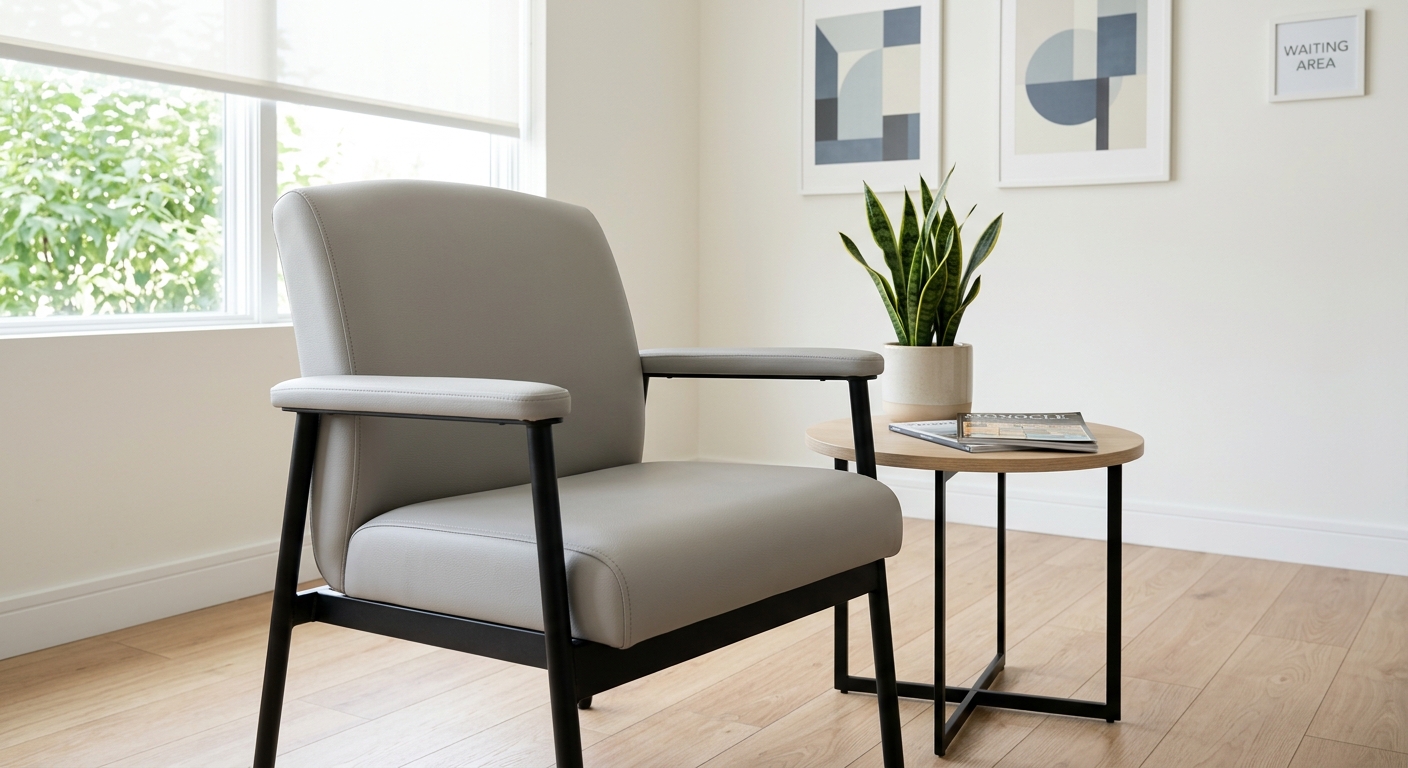
That’s exactly why you’ll see vinyl dominate medical and dental waiting rooms, school cafeterias, and any space that needs a bleach-wipe-down at the end of the day. A dental practice we’ve worked with switched waiting room chairs from fabric to commercial vinyl specifically because staff were spending 10+ minutes per chair trying to spot-clean fabric between patients — vinyl cut that to under a minute.
Where vinyl falls short
- Breathability — it traps heat, which matters if people sit for 6+ hours straight
- Cheaper vinyl cracks along seams within 2-3 years, especially in dry climates
- Look and feel skew ‘clinical,’ which doesn’t always match a brand-forward office
Performance Textiles: The Category Most Buyers Overlook
Performance textiles are engineered fabrics — often polyester or nylon blends with a moisture barrier or topical treatment — built specifically to resist stains, abrasion, and bacteria without sacrificing the breathable feel of fabric. Think Crypton, Sunbrella Contract, or similar branded lines. They cost more per yard than basic fabric or vinyl, but the math works out over a multi-year ownership period.
A performance textile rated at 100,000 double rubs with a built-in moisture barrier can realistically last 7-10 years in a busy open office, compared to 3-5 years for standard fabric. If you’re evaluating total cost of ownership the way you should be, performance textile usually wins even though the sticker price is higher.
A real-world example
A coworking operator furnishing a 40-desk space initially chose standard fabric task chairs to save on upfront cost. Within 18 months, 30% of chairs showed visible wear at the seat edge and arm pads — exactly the friction points you’d expect from daily hot-desking. The replacement order switched entirely to performance textile, and two years later, wear is minimal. That’s the kind of lesson covered in more depth in our guide on furnishing a coworking space for durability.

Matching Upholstery to Room Type, Not Just Budget
The biggest mistake buyers make is choosing one upholstery type for an entire office. Different rooms take different kinds of abuse, and the textile should match the abuse, not the interior design mood board.
Room-by-room logic
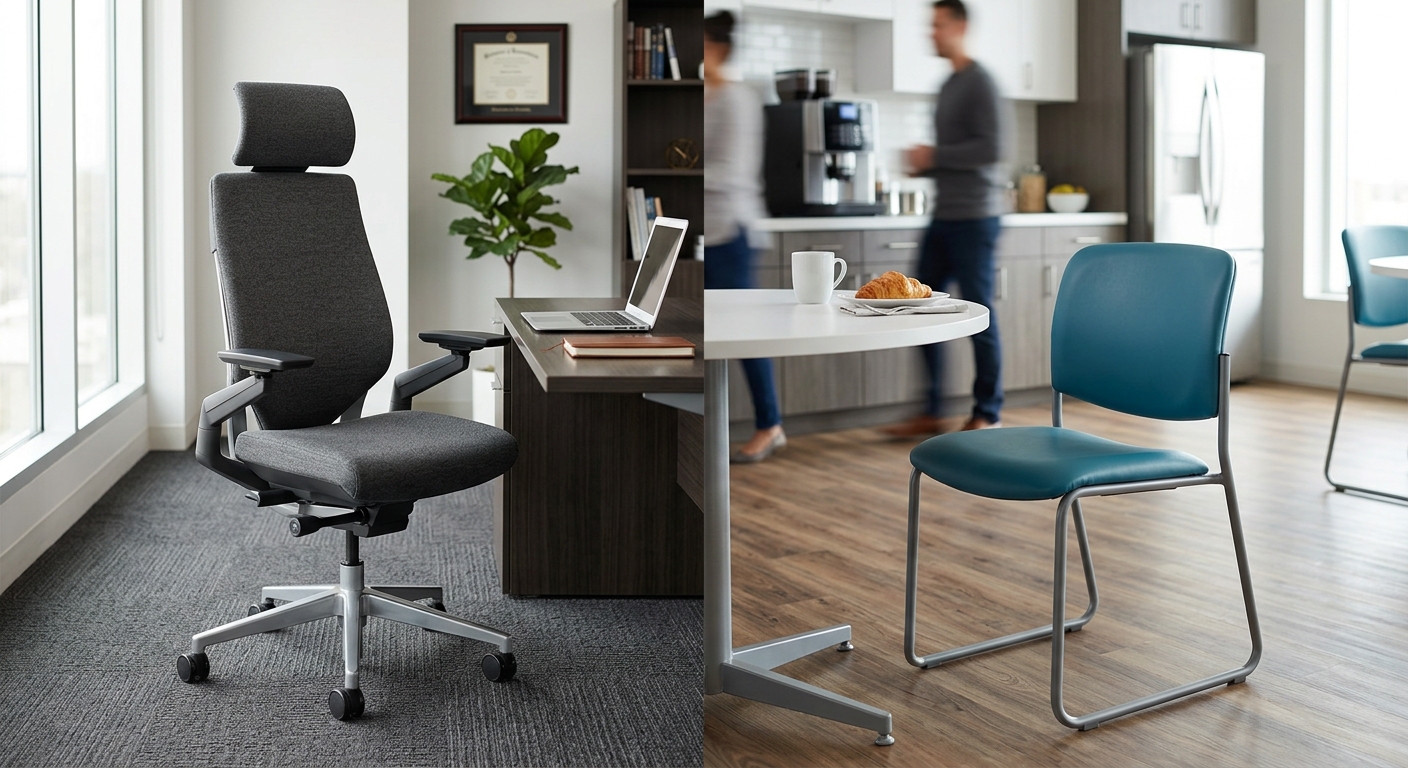
- Executive offices: Low traffic, high visibility — fabric or leather makes sense here for look and feel
- Open-plan workstations: High rotation, moderate spills — performance textile is the safe default
- Conference rooms: Occasional heavy use, food and coffee nearby — performance textile or a treated fabric, see our guide on choosing conference room chairs
- Reception and waiting areas: Constant turnover, higher hygiene stakes — vinyl or performance textile depending on formality
- Breakrooms and cafeterias: Food, grease, spills daily — vinyl is almost always the right call, as covered in our breakroom furniture guide
Mixing materials by zone isn’t inconsistent design — it’s smart procurement. Nobody notices that your breakroom chairs are vinyl and your boardroom chairs are performance textile. They notice when either one looks trashed after a year.
The Maintenance Reality Nobody Puts in the Sales Brochure
Upholstery durability isn’t just about the material — it’s about what your facilities team is actually willing to do to maintain it. Fabric needs a fabric-safe extraction cleaner and occasional professional deep cleaning; skip that and stains set permanently within days. Vinyl needs almost nothing beyond soap, water, and avoiding harsh solvents that dry it out and cause cracking.
Performance textiles split the difference: most can handle a diluted bleach solution (check the specific product — not all can), which makes them viable in settings that need occasional sanitizing, like 24/7 call center seating where chairs never really get downtime between shifts.
Quick maintenance checklist
- Ask for the manufacturer’s cleaning code (W, S, WS, or X) before ordering
- Confirm whether bleach-cleanability is a real spec or just marketing language
- Budget for annual deep cleaning on fabric — it’s cheaper than early replacement
How Certifications and Off-Gassing Fit In
Upholstery choice also affects indoor air quality, particularly with treated performance textiles and vinyl, both of which can carry topical chemical finishes. If new chairs in your office have that distinct sharp smell, it’s often the upholstery treatment or foam adhesive off-gassing — a topic we cover in detail in why office furniture off-gasses. Look for GREENGUARD Gold certified textiles if indoor air quality is a priority, especially in smaller or less-ventilated offices.
Natural and synthetic fabrics generally off-gas less than vinyl, since vinyl relies on plasticizers to stay flexible — those compounds are exactly what create that ‘new car’ smell and, over time, what makes cheap vinyl stiffen and crack.
Cost-Per-Year, Not Cost-Per-Yard
Sticker price is the wrong metric. A $15/yard fabric that needs replacing in 3 years costs more over a decade than a $45/yard performance textile that lasts 9. Run the numbers per year of expected life, not per unit purchased, especially for large orders.
For example: outfitting 100 task chairs with basic fabric at $20/yard might save $2,500 upfront versus performance textile at $45/yard. But if the fabric chairs need reupholstering or full replacement in year 4 while performance textile chairs are still fine at year 8, that upfront saving turns into a much larger long-term cost — labor, downtime, and disposal included. This is the same logic explored in our breakdown of furniture warranties and what they actually cover, since most warranties don’t cover normal wear on cheap upholstery anyway.


