
How Office Furniture Warranties Really Work — And the Fine Print That Voids Them
- 23 Jun, 2026
- Guides

Office furniture warranties are rarely as simple as the “12-year guarantee” printed on the spec sheet. In practice, they're tiered documents that cover different components for different lengths of time — and they include usage clauses, weight caps, environmental conditions, and assembly requirements that quietly void coverage if you're not paying attention. The short version: read the warranty before you buy, register the product, keep your receipts, and don't modify anything if you ever want a claim approved.
What a Warranty Actually Promises (And What It Doesn't)
Every commercial furniture warranty is really three or four warranties stapled together. The frame might be covered for 12 years. The mechanism (tilt, lift, casters) for 5. The foam and upholstery for 2 or 3. Electrical components on a height-adjustable desk? Often just 2 years on the motor and 1 year on the controller.
When a brand advertises “lifetime warranty,” they almost always mean the structural steel — not the parts that actually fail. Pneumatic cylinders, mesh, armrest pads, and casters wear out, and they're typically the shortest covered items.
Warranties also only cover defects in materials and workmanship. They do not cover normal wear, aesthetic changes (fading, patina, foam softening within tolerance), or damage from use outside the stated parameters. That last phrase is where most claims die.

The Hours-Per-Day Clause Nobody Reads
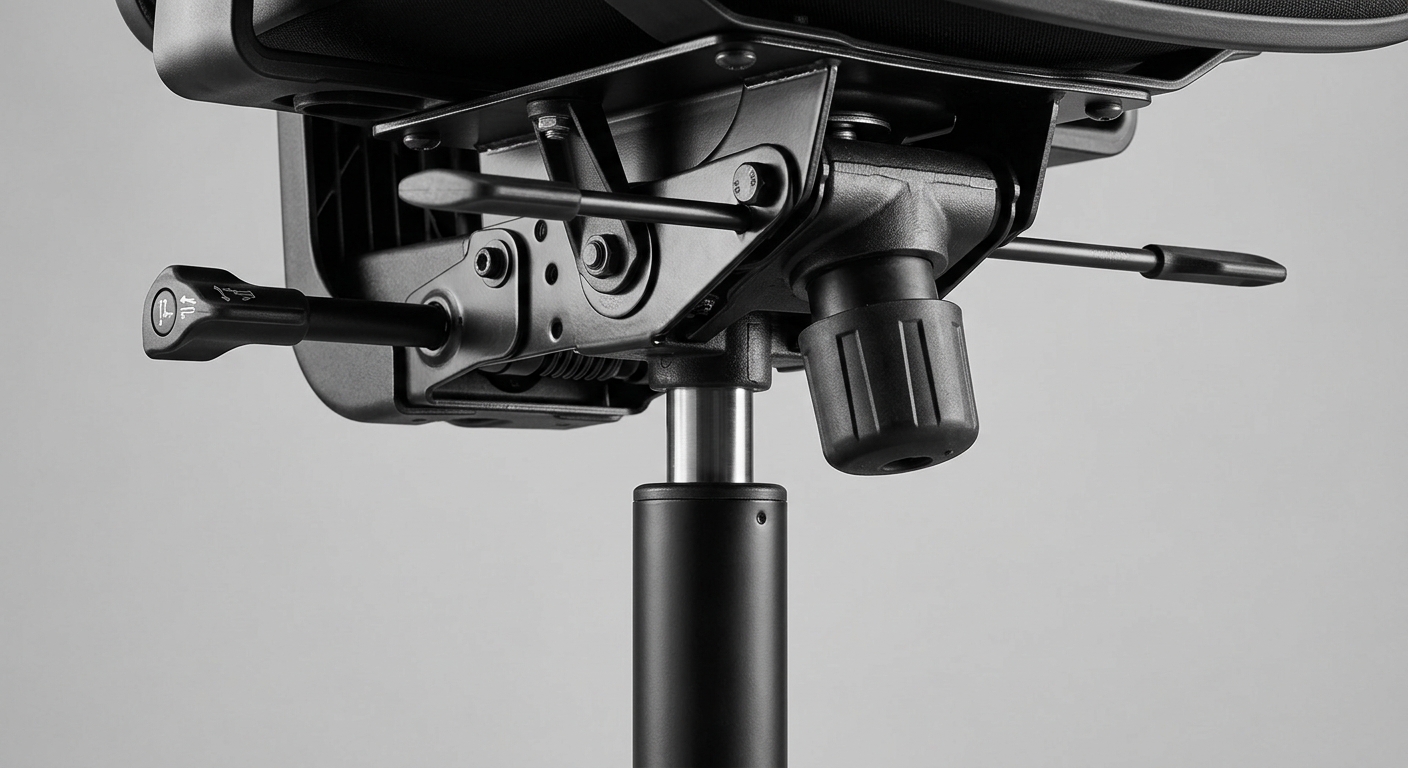
Here's the clause that sinks more claims than any other: the duty cycle rating. Most task chairs are warranted for 8 hours of use per day by a single user. Premium 24/7 chairs are rated for continuous multi-shift use. Use an 8-hour chair in a call center running three shifts, and your 10-year warranty effectively becomes a 3-year warranty — and the manufacturer will deny the claim the moment they learn how the chair was used.
For instance, a logistics company we worked with bought 40 mid-tier task chairs for a dispatch room running 16 hours a day across two shifts. Within 18 months, eight cylinders had failed. The manufacturer reviewed the deployment, cited the 8-hour clause, and declined every claim. The fix would have been spending 20% more upfront on 24/7-rated chairs — which we cover in our piece on furnishing call centers for 24/7 use.
Weight Capacity: The Other Silent Voider
The standard BIFMA weight rating is 250 lbs for task chairs and 300 lbs for many ergonomic models. Exceed it — even occasionally, even by a guest sitting briefly — and the warranty technically becomes void on the affected unit. Manufacturers can and do inspect failed cylinders and mechanisms for stress patterns consistent with overload.
And the published rating is often optimistic. We've written a full breakdown on the real weight capacity of office chairs and why manufacturer numbers can mislead. If anyone in your office is close to the cap, spec a 350 lb or 400 lb chair from day one.

Assembly, Modification, and the “Authorized Parts” Trap
Three behaviors void warranties faster than any kind of wear:
- DIY repairs with non-OEM parts. Swap a gas cylinder from Amazon onto a branded chair and the entire chair is no longer warranted — not just the cylinder.
- Improper assembly. Most commercial warranties require professional installation or strict adherence to the manual. Cross-threaded bolts, missing washers, or skipped torque specs are all grounds for denial.
- Modifications. Drilling a desk for a grommet, retrofitting a monitor arm into a non-reinforced surface, or adding a third-party keyboard tray can void the desk warranty.
If you're outfitting a new space, plan accessories at the spec stage rather than retrofitting later. Our guide to accessories that actually earn their keep covers what to integrate from the start.
Environmental and “Normal Use” Exclusions
Warranties assume a climate-controlled indoor office: 60–80°F, 40–60% relative humidity, away from direct sunlight. Put a leather executive chair next to a south-facing window and the fading and cracking that follows is not a covered defect. Use mesh chairs in a humid warehouse and corrosion on the base is not covered either.
“Normal commercial use” also excludes:
- Outdoor or semi-outdoor use (covered patios, atriums with open ventilation)
- Use with chemicals, solvents, or harsh cleaners not approved by the manufacturer
- Damage from pets, food, ink, or cosmetics
- Stacking or storing furniture in ways not designed by the maker
A surprising one: many upholstery warranties specifically exclude denim transfer. Yes, dark jeans bleeding onto light fabric is on you.
Registration, Receipts, and the Paper Trail That Wins Claims
An unregistered warranty is often a shorter warranty. Many manufacturers offer the full advertised term only if you register within 30–90 days of purchase. Skip registration and you may default to a 1-year baseline regardless of what the marketing said.
To file a successful claim later, you'll typically need:
- Original invoice or proof of purchase (from an authorized dealer — gray-market resellers void coverage entirely)
- Serial number from the unit (usually under the seat pan or inside a desk leg)
- Date of installation
- Photos of the defect
- A description of the use environment (hours per day, user weight range, location)
Keep a simple asset spreadsheet for every purchase. When a chair fails three years in, you'll be glad you logged the serial numbers instead of digging through email.
What “Covered” Actually Means: Repair, Replace, or Refund?
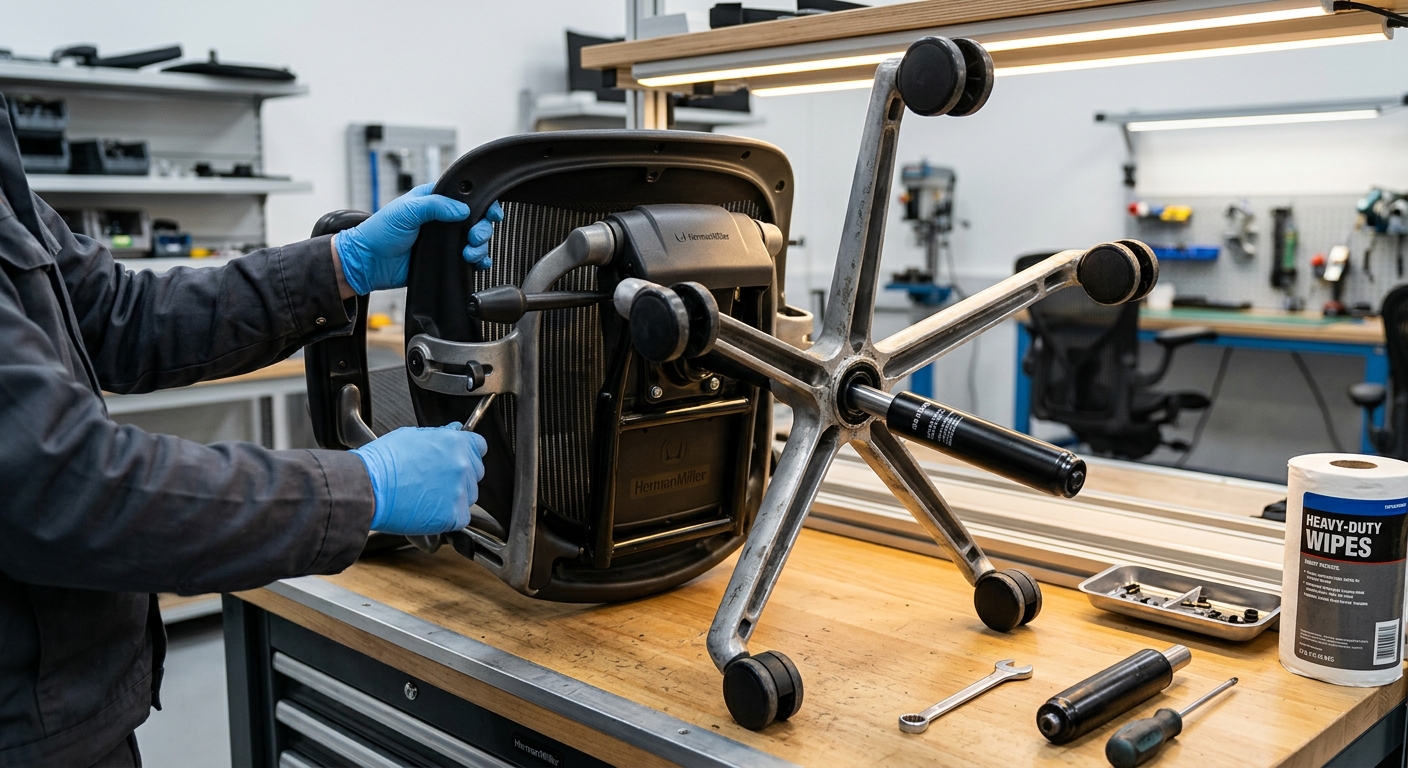
Read the remedy clause. Manufacturers reserve the right to choose between repair, replacement with an equivalent part, or — least common — a refund. They almost never owe you a brand-new chair when one component fails. Expect a replacement cylinder, mechanism, or arm pad rather than a full unit swap.
Also check who pays for what:
- Parts: Almost always covered if the claim is approved.
- Labor: Frequently excluded on budget furniture. Premium contract brands often include it for the first 1–5 years.
- Shipping: The biggest hidden cost. On cheap chairs, you may pay freight both ways — sometimes more than the chair is worth.
For high-failure components like task chair mechanisms, this is why knowing when to repair vs. replace matters as much as the warranty itself.
How to Compare Warranties Before You Buy
Before signing a purchase order, ask the dealer for the full written warranty — not the marketing summary. Then run it through this checklist:
- How many years per component (frame, mechanism, foam, fabric, electrical)?
- What's the duty cycle (hours per day, shifts per day)?
- What's the user weight cap?
- Is labor included? For how long?
- Who pays freight on a claim?
- Is the remedy repair, replace, or refund — and who decides?
- Is the warranty transferable if you sell or move offices?
- What's the registration deadline?
Two chairs at similar price points can have wildly different real-world coverage. A 10-year warranty with 8-hour duty cycle and buyer-paid freight is worse than a 7-year warranty with 24-hour duty and free claim shipping. Match the warranty to how you'll actually use the furniture — our practical guide to selecting office furniture walks through that fit decision in more depth.
Buy Smart, Document Everything, and Use the Right Supplier
The warranty is only as good as the manufacturer behind it — and the dealer who sold it. Buy from an authorized source, register the product, train your team on proper use, and keep records of serial numbers and install dates. When something fails, you'll have a claim that gets approved instead of a denial letter citing a clause you never read.
If you're scoping new furniture and want warranties matched to your real duty cycle, weight ranges, and environment, the team at vision-furniture can help you read the fine print before you sign. Start with our office furniture solutions page or get in touch for a project review.


