
2025 Practical Guide to Select Office Furniture
- 13 Oct, 2025
- Guides
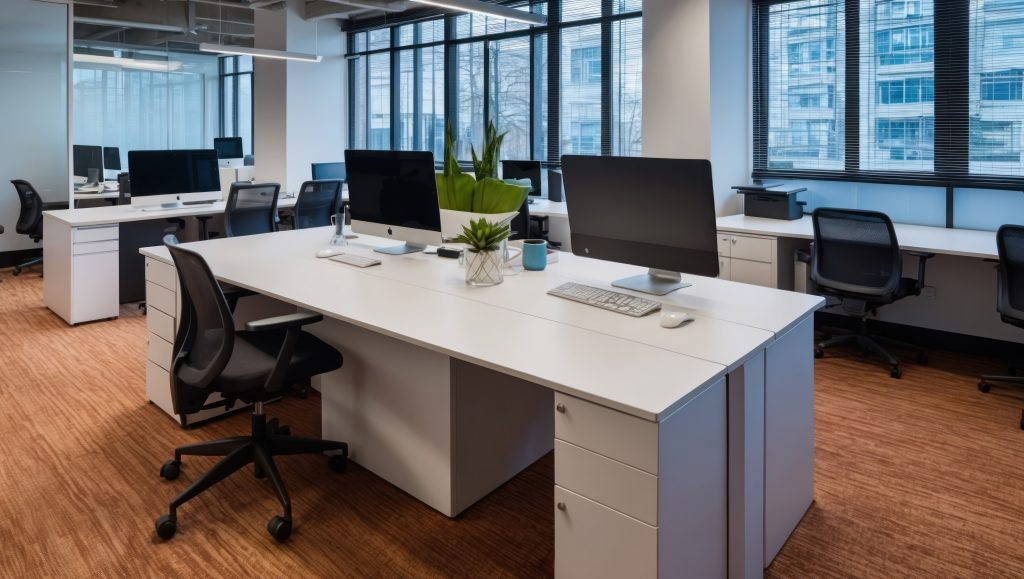
Selecting the right office furniture in 2025 is no longer just about looks — it’s a strategic decision that affects productivity, comfort, and long-term cost.
This practical guide shows you how to select office furniture that enhances efficiency, supports employee health, and fits your company’s growth needs.
Start with Function, Not Form
Before you select office furniture, analyze how people actually work in your office. Each department has different needs — quiet focus, team collaboration, or hybrid seating. Define your workspace goals:
- What tasks take most of the day?
- How many screens or devices are in use?
- How much storage or mobility is required?
- What image should your workspace communicate to clients?
A furniture plan built on tasks and workflow will always outperform one based on visuals alone.
Ergonomics First: Comfort Drives Productivity
Comfort and adjustability are essential when you select office furniture. Well-designed ergonomic furniture reduces fatigue and injuries while improving performance.
What to look for:
| Category | Key Ergonomic Features |
|---|---|
| Office Chairs | Adjustable seat height, seat depth, lumbar support, 3D/4D armrests, breathable mesh back |
| Desks | Sit-stand adjustability (range 650–1250 mm), stability, smooth motor movement |
| Accessories | Monitor arms, keyboard trays, footrests, under-desk supports |
Employees spend thousands of hours sitting each year — ergonomics is not a luxury, it’s a necessity.
Plan Your Space Wisely
Efficient space planning ensures that every desk, chair, and cabinet fits seamlessly into the layout. When you select office furniture, take accurate measurements and visualize traffic flow.
Smart planning checklist:
- Keep walking paths at least 900 mm wide
- Allow free drawer and chair movement
- Align desk clusters with power outlets
- Confirm elevator and doorway dimensions before delivery
- Maintain balanced proportions between furniture and open space
Proper measurement avoids costly rework later.
Materials and Durability Matter
The materials you choose determine how long your office furniture will last and how it will look after years of use.
Common recommendations when you select office furniture:
- High-pressure laminate (HPL) or steel for heavy-duty work zones
- Wood veneer for executive rooms and reception areas
- ABS or PVC edging to prevent chipping and wear
- High-density board cores for stability
- Performance fabrics with at least 100 000 abrasion cycles
Durability ensures long-term value and reduces waste.
Flexibility and Modular Design
Modern offices evolve quickly — teams expand, reorganize, and embrace hybrid work. That’s why you should select office furniture that’s modular, mobile, and easy to reconfigure.
Modular design benefits:
- Enables quick layout changes
- Supports future expansions
- Simplifies maintenance and replacement
- Reduces cost of future moves
Furniture that adapts will outlast fixed, inflexible systems.
Cable and Power Integration
A well-organized workspace keeps technology tidy and accessible. When you select office furniture, check if it includes:
- Under-desk cable trays or raceways
- Built-in power modules and USB ports
- Easy routing for data cables
- Hidden wire channels for safety and aesthetics
Clean cable management improves both visual appeal and workflow efficiency.
Sustainability and Health Considerations
Eco-friendly furniture is becoming a purchasing standard rather than an option. Choose suppliers and products that meet sustainability goals:
- Low-VOC paints and adhesives
- Certified wood sources (FSC or equivalent)
- Recyclable materials and modular designs
- Non-toxic fabrics for indoor air quality
Sustainable choices reflect corporate responsibility and promote a healthier workspace.
Pilot Before Purchase
Before bulk ordering, test a few workstations with real users for at least one week. Ask employees to rate:
- Comfort and adjustability
- Ease of cable use and access
- Durability and stability
- Aesthetics and surface feel
Pilot feedback is the best insurance against expensive mistakes when you select office furniture.
Total Cost of Ownership (TCO)
Focusing only on unit price is short-sighted. TCO accounts for the entire lifecycle — from purchase to disposal.
TCO checklist:
- Expected lifespan and warranty period
- Maintenance and part replacement costs
- Installation and reconfiguration expenses
- Delivery and disposal fees
When you select office furniture, compare offers based on total value, not just price tags.
Mistakes to Avoid When You Select Office Furniture
| Common Mistake | Consequence | How to Avoid |
|---|---|---|
| Choosing only by design | Poor ergonomics and discomfort | Prioritize comfort and adjustability |
| Ignoring space limitations | Delivery or layout problems | Measure before ordering |
| Neglecting cable management | Cluttered, unsafe desks | Choose integrated power and wiring |
| Skipping pilot testing | User dissatisfaction | Always test before mass purchase |
| Overlooking warranties | Hidden long-term costs | Confirm service and spare-part policy |
Recommended Furniture by Use Case
| Scenario | Desk Type | Chair Type | Benefit |
|---|---|---|---|
| Focus work (8 h/day) | 140–160 cm sit-stand desk | Mesh back ergonomic chair | Supports posture and airflow |
| Hot-desking area | Compact modular desks | Lightweight task chairs | Saves space and cost |
| Collaboration zone | Mobile or foldable tables | Stackable chairs | Easy to rearrange |
| Executive office | Veneer desk with storage | Upholstered high-back chair | Combines prestige and comfort |
Conclusion
To select office furniture effectively in 2025, focus on function and performance rather than appearance. Prioritize ergonomics, durability, and flexibility to ensure every item supports daily work while maintaining long-term value.
Assess each option through its total cost of ownership (TCO) to balance quality with cost efficiency. A well-chosen furniture plan enhances productivity today and adapts seamlessly to future business growth.


