
How to Write an Office Furniture RFP That Actually Gets You Better Vendor Bids
- 06 Aug, 2026
- Guides

The single biggest reason office furniture RFPs get weak, inconsistent bids is missing specificity — vendors fill gaps with assumptions, and those assumptions almost always favor their margin, not your budget. A strong RFP names exact quantities, dimensions, certifications, timelines, and evaluation criteria so every vendor bids on the same scope. Get that right, and you’ll see bid spreads shrink from 40% swings to something you can actually compare line by line.
Why Most Office Furniture RFPs Fail Before They’re Sent
Here’s an uncomfortable truth: most RFPs fail not because vendors are dishonest, but because the document itself invites interpretation. Write ‘ergonomic task chairs’ with no spec, and one vendor quotes a $180 mesh chair while another quotes a $650 chair with adjustable lumbar and 4D arms. Both technically satisfy the request. Neither bid is comparable.
The fix isn’t more pages — it’s more precision. A five-page RFP with exact measurements, quantities, and material callouts beats a twenty-page document full of soft language like ‘modern’ or ‘quality construction.’ Vendors price what you write, not what you meant.
Start With a Real Space Audit, Not a Wish List
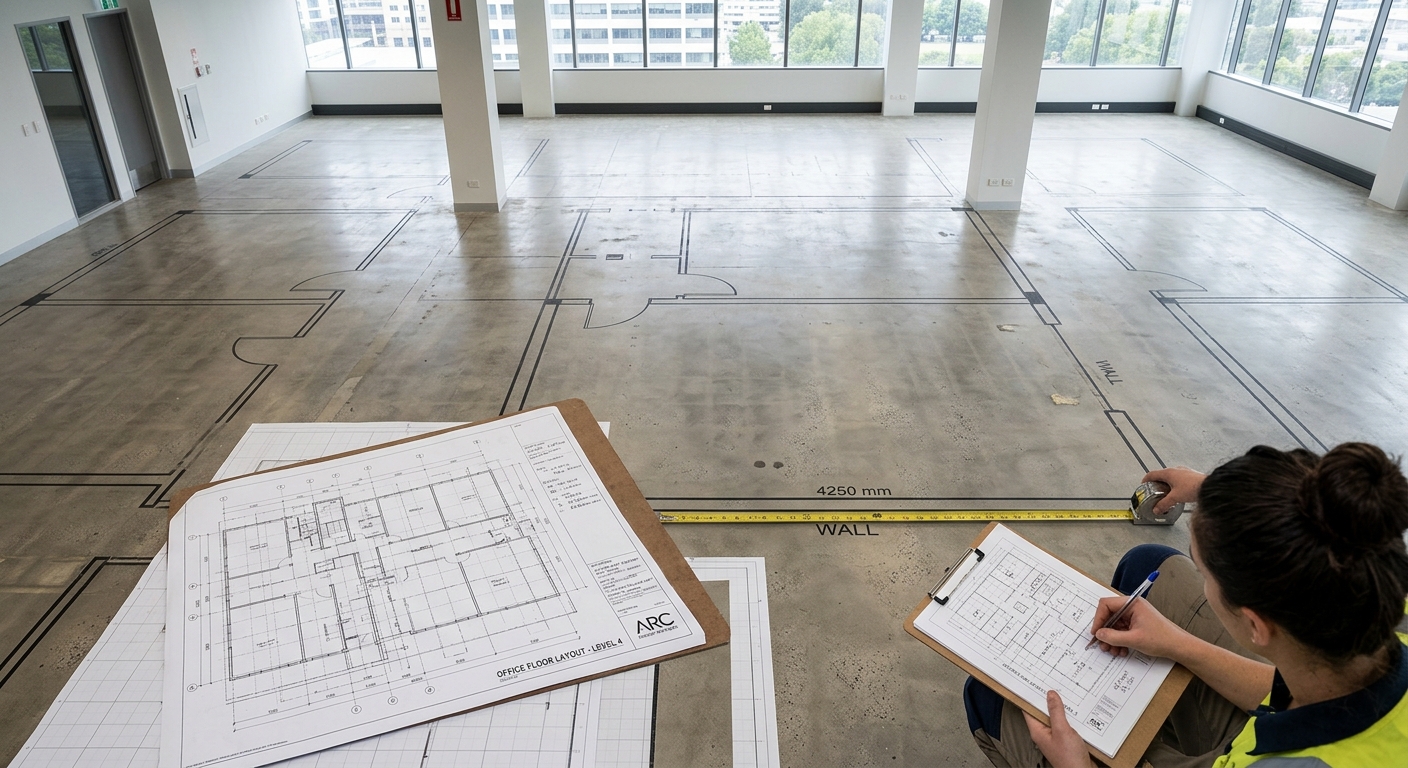
Before you write a single requirement, measure. An RFP built from guesswork produces bids based on guesswork — and change orders later cost far more than getting it right the first time. If you haven’t already, walk through how to measure your office before ordering furniture so your dimensions section is airtight.
What the audit should produce
- Exact room dimensions and door widths (for delivery access)
- Headcount by department, including planned growth over 12–24 months
- Existing furniture to be reused, replaced, or disposed of
- Electrical and data drop locations for workstations
For example, a 60-person insurance office that skipped this step ended up with desks that didn’t fit through a freight elevator door — a $4,000 re-delivery fee that a five-minute measurement would have prevented.
The Six Sections Every Furniture RFP Needs
Skip the boilerplate legal filler and structure the document around what vendors actually need to price accurately.
1. Scope and quantities
List every item by exact quantity, not by department estimate. ’15-20 desks’ invites the highest number priced at the lowest spec.
2. Technical specifications
Include dimensions, weight capacity, material, and certifications. If you need BIFMA or GREENGUARD compliance, say so explicitly — don’t assume vendors will offer their best-certified product by default.
3. Delivery and install timeline
State hard dates, not ranges. ‘Q2’ gets you a vendor’s slowest quarter; ‘delivery by April 10, installed by April 17’ gets you a real commitment.
4. Budget parameters
Disclosing even a rough range filters out vendors who’ll waste your time with proposals 3x over budget.
5. Evaluation criteria
Tell vendors how you’ll score them. Price-only evaluation trains vendors to race to the bottom on quality.
6. Post-purchase terms
Warranty length, punch-list resolution window, and return policy on defective items.
Specs That Actually Move the Needle on Bid Quality
Generic specs get generic bids. Here’s where precision pays off most.
Weight and usage ratings
If your office runs 24/7 shifts or has a range of body types, specify actual duty-cycle requirements rather than accepting a manufacturer’s headline number — see why manufacturer weight capacity ratings mislead you before you write this section.
Material and upholstery
Fabric, vinyl, or performance textile — each has different cost and durability profiles. Reference office furniture materials so your spec matches your actual use case, not just aesthetics.
Sit-stand and ergonomic requirements
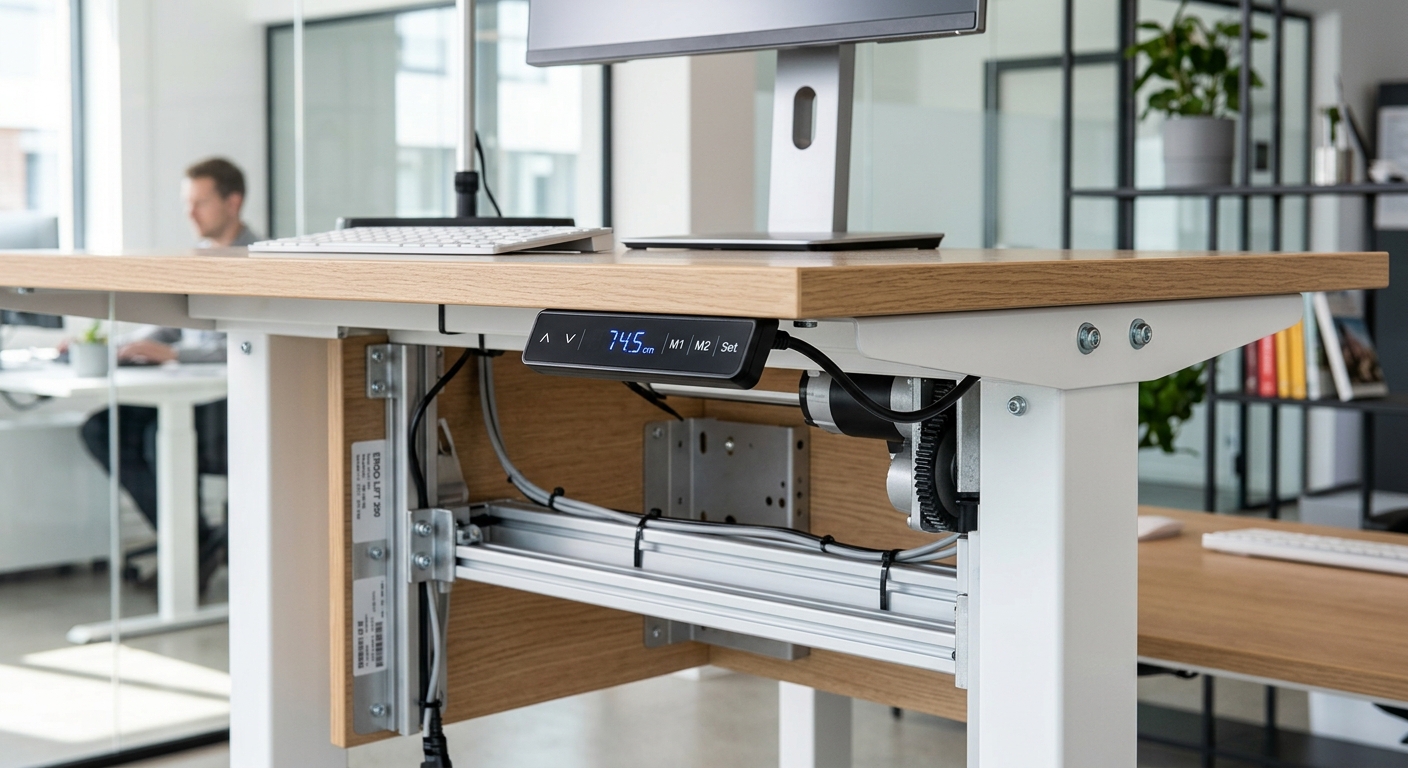
If height-adjustable desks are required, name the adjustment range (typically 22-48 inches) and weight capacity of the lift mechanism. A vague ‘sit-stand desks’ line item can mean a $300 desk or a $900 one — see this sit-stand desk procurement checklist for the exact specs worth including.
Setting Evaluation Criteria That Prevent the Race to the Bottom
An RFP without weighted scoring criteria almost always gets decided on price alone — and price-driven decisions are how offices end up replacing chairs every 18 months instead of every 7 years. Build a simple scorecard instead.
A workable weighting model
- Price: 35-40%
- Warranty and total cost of ownership: 20%
- Lead time and delivery reliability: 20%
- Sustainability certifications: 10-15%
- References and past project examples: 10%
For instance, a 200-seat call center RFP that weighted warranty and durability at 25% ended up selecting a vendor $18,000 higher on sticker price — but that vendor’s chairs came with a 12-year warranty versus a competitor’s 3-year term, which penciled out to lower total cost within five years. Worth reading alongside furnishing a call center if you’re in a similar high-cycle environment.
Common RFP Mistakes That Cost You Leverage
A few recurring errors quietly weaken buyer leverage before negotiations even start.
Not disclosing a budget
Vendors assume the highest reasonable number when budget is hidden, then anchor their proposal there.
Requesting bids with no site visit option
Furniture pricing shifts based on install complexity — freight elevator access, stairs, tight hallways. A vendor who never sees the site will pad the quote to cover unknowns.
Ignoring phased rollout needs
If you’re furnishing in stages rather than all at once, say so upfront. Vendors price single large deliveries very differently than staggered ones across months.
Skipping a sample or mockup clause
Always require a physical sample or showroom visit before final sign-off, especially for chairs and seating — the difference between a showroom sample and a mass-produced unit can be significant.
How to Compare Bids Once They Come In
Side-by-side comparison only works if every vendor bid on identical scope — which is exactly why the specificity upfront matters so much. Build a simple spreadsheet with rows for each line item and columns for each vendor’s price, lead time, and warranty terms.
Red flags in a bid response
- A price significantly below all others with no explanation — often signals a spec substitution
- Vague warranty language (‘standard warranty applies’) instead of stated years and coverage
- No stated lead time or a lead time that conflicts with your stated install date
If two bids look nearly identical on price but differ sharply on warranty or material grade, that’s your real decision point — not the sticker number. It’s also worth understanding how office furniture warranties really work before signing, since fine print can quietly void coverage you thought you had.

When to Loop In the Vendor Directly Before Finalizing
Don’t treat the RFP as a one-way document. The best procurement outcomes happen when you allow a short Q&A window — typically 5-7 business days — where vendors can ask clarifying questions before submitting final numbers. This surfaces scope gaps you didn’t catch and often results in more accurate, less padded bids.
It’s also the right moment to discuss installation and service support and confirm whether the vendor can handle your specific layout — particularly relevant if you’re comparing modular workstations versus fixed cubicles for a growing headcount.


