
CEO Office Design Complete Guide for Modern Executive Workspaces
- 29 Dec, 2025
- Guides
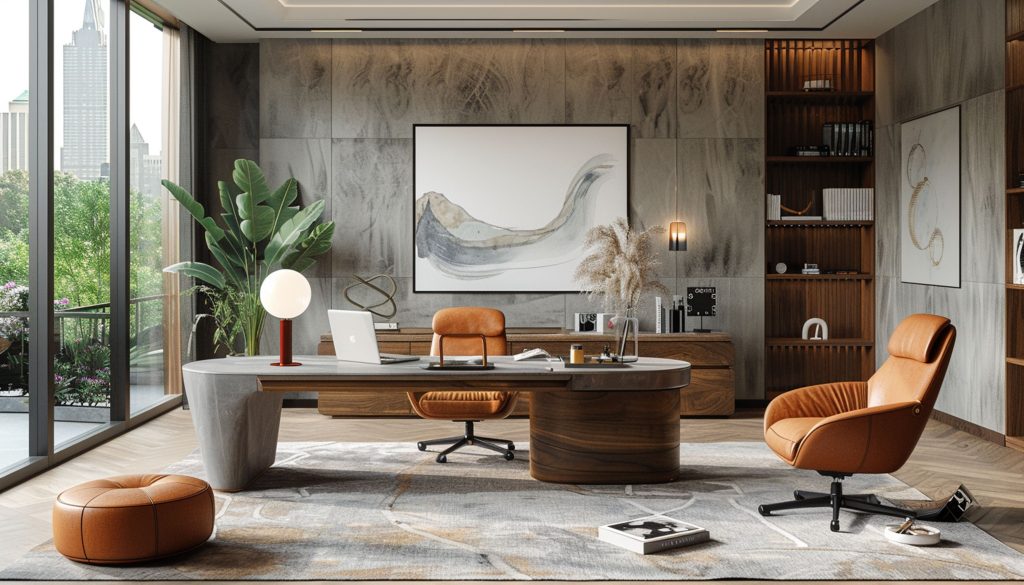
A well-planned ceo office design is more than a stylish workspace—it is a strategic environment that communicates authority, supports high-level decision-making, and strengthens leadership presence. Modern CEOs need an office that balances functionality, privacy, aesthetics, and brand identity.
This guide goes beyond trend-based inspiration and provides a structured, practical approach to creating a CEO office that performs at the highest level.
Why CEO Office Design Matters
A CEO’s office hosts confidential conversations, leadership meetings, investor discussions, and deep strategic work. An intentional ceo office design improves focus, enhances comfort, and communicates professionalism to employees and guests. When layout, lighting, furniture, acoustics, and materials work together, the space becomes a powerful extension of leadership.
Foundational Planning: Understanding Purpose and Workflow
Every CEO works differently. Some prioritize uninterrupted deep work; others spend the day in meetings. Understanding workflow is the starting point of any effective ceo office design.
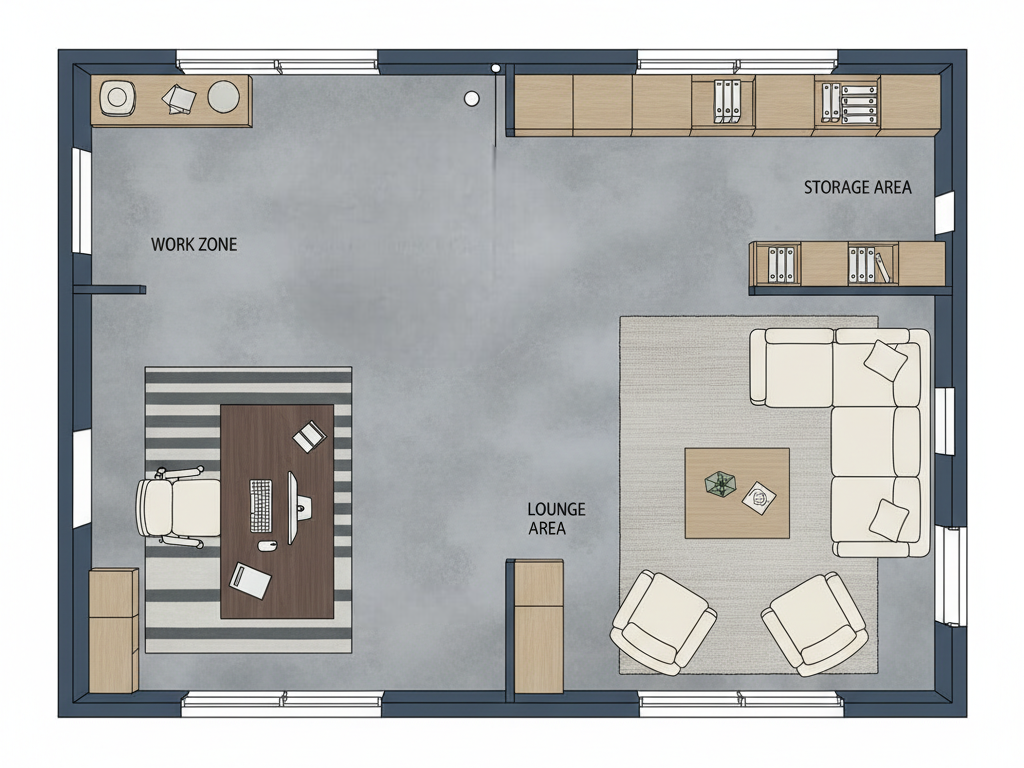
The office should be divided into essential zones—working, meeting, guest seating, storage, and display. Clear zoning reduces interruption, supports smoother movement, and enhances daily productivity. Confidentiality also plays a critical role. Sound-controlled walls, strategic door placement, and soft materials help protect sensitive discussions.
Spatial Layout: Building a Functional Executive Environment
The layout is the backbone of any modern ceo office design. The executive desk should anchor the room, typically facing the entrance to maintain presence and visibility. Natural light should illuminate the space from the side, creating a comfortable yet refined atmosphere.
A meeting area allows collaboration without needing a conference room. A lounge corner softens conversations with guests or investors. Integrated cabinetry maintains visual order—critical for an office that must project clarity and authority.
Executive Furniture: Comfort, Authority, and Long-Term Durability
High-quality furniture defines the tone of the office. The executive desk should use premium finishes such as solid wood, lacquer, or stone, reinforcing stability and leadership. Ergonomic seating is essential; CEOs spend long hours sitting, so lumbar support, adjustable recline, and premium upholstery contribute directly to performance.
Guest seating should be comfortable yet structured. Every furniture choice should align with the chosen style—modern, luxury, minimalist, or warm executive.
Lighting and Atmosphere: Creating a Balanced Executive Mood
Lighting determines both the mood and functionality of the office. A strong ceo office design uses a three-layer system:
- Ambient lighting for general visibility
- Task lighting for focused work
- Accent lighting to elevate depth and atmosphere
Warm-neutral tones prevent eye strain, while dimmable options allow the CEO to switch between work modes seamlessly. Smart lighting presets—such as meeting, presentation, or evening—add convenience and sophistication.
Style, Materiality, and the Visual Identity of Leadership
A CEO office should embody the company’s culture and values. Modern designs prioritize clean lines and neutral colors. Luxury styles use materials like marble, brass, and walnut. Minimalist environments emphasize clarity and openness.
Brand expression—art, product displays, mission statements—should be strategic and subtle. When placed correctly, these elements reinforce identity without overwhelming the space.
CEO Office Design Style Comparison Table
To help identify the direction of your ceo office design, the following table compares popular executive styles:
| Design Style | Key Characteristics | Best For | Material Examples | Visual Tone |
|---|---|---|---|---|
| Modern CEO Office | Clean lines, neutral tones, tech-forward | Innovative companies, fast-paced CEOs | Glass, matte metal, light woods | Minimal, calm, efficient |
| Luxury CEO Office | High-end finishes, bold texture | Enterprise leaders, finance, law | Marble, brass, walnut, leather | Prestigious, authoritative |
| Minimalist CEO Office | Simplified layout, clutter-free | CEOs who value clarity & focus | White walls, birch wood, linen | Quiet, spacious, thoughtful |
| Warm Executive Office | Soft lighting, hospitality tone | Relationship-driven leaders | Warm LED, walnut, fabric upholstery | Trustworthy, welcoming |
| Brand-Centric Office | Company colors, curated displays | Startups, growth-stage companies | Custom panels, signage | Energetic, identity-driven |
Realistic CEO Office Layout Examples
Large Corner Office
A panoramic desk position, 4–6 person meeting area, lounge seating, and built-in storage. Ideal for CEOs with frequent investor or board meetings.
Medium Executive Office
Desk facing the door, compact meeting table, accent lighting, and an organized display wall—perfect for hybrid workflow.
Small High-Efficiency CEO Office
Slim desk near natural light, vertical storage, two guest chairs, and minimal décor. A smart choice for high-growth companies with limited space.
These layout examples cover long-tail searches competitors often miss—giving your ceo office design article a stronger ranking advantage.
Common CEO Office Design Mistakes to Avoid
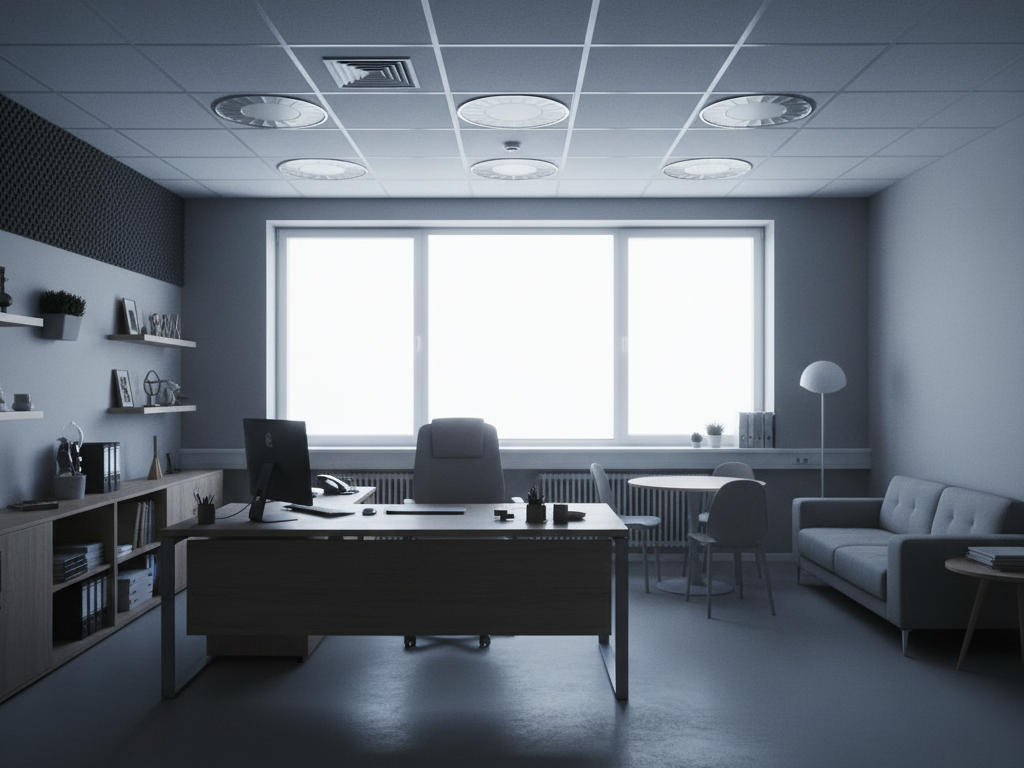
Poor planning reduces the efficiency and authority of an executive space. The most frequent mistakes include:
- Desk placed directly in front of a window → causes glare and weak video presence
- Overly decorative spaces → distract from leadership focus
- Weak acoustic treatment → compromises confidentiality
- Style prioritized over ergonomics → reduces productivity
- Overhead lighting only → creates harsh shadows and fatigue
- Unclear zoning → disrupts executive workflow
- Lack of brand identity → office feels generic instead of authoritative
These points dramatically improve your article’s usability and SEO structure—competitors rarely include such insights.
Technology and Smart Integration
A modern CEO office functions as a digital command center. Integrated displays, conferencing systems, wireless charging, privacy glass, and automated climate controls enhance daily operations. Technology should remain discreet yet powerful, reinforcing the sophistication of an executive environment.
Budget Planning and Phased Upgrades
Not all CEO offices require full luxury investment.
- High-budget designs include custom millwork, designer lighting, and premium materials.
- Mid-budget designs prioritize ergonomic furniture, layered lighting, and quality finishes.
- Lean budgets focus on essentials—good lighting, neutral colors, organized storage, and minimal décor.
A phased approach allows the office to grow with the company while maintaining continuous productivity.
Conclusion
A successful ceo office design integrates leadership, functionality, comfort, and brand identity into a cohesive environment. When layout, materials, lighting, acoustics, and workflow align, the office becomes a powerful operational and symbolic asset. This comprehensive guide exceeds competitor content by offering practical planning frameworks, realistic examples, a style comparison table, and expert insights—making it a definitive resource for designing a modern executive workspace.


