
Executive Office Design Ideas That Elevate Modern Leadership Spaces
- 08 Dec, 2025
- Guides
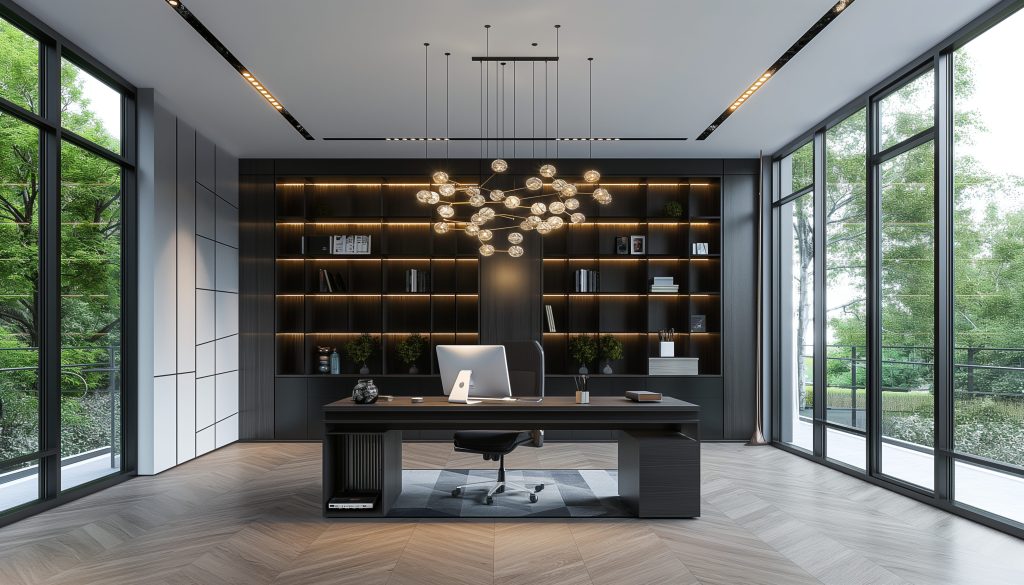
Executive office design ideas influence focus, leadership presence, and the overall brand experience of a workspace. A modern executive office blends aesthetics, comfort, and functionality, ensuring the environment supports high-level decision-making. Through thoughtful interior design and strategic layout choices, leaders can create a workspace that enhances productivity and communicates authority.
Begin With Clear Interior Design Direction
Every strong design starts with clarity. Define whether the executive office should feel modern, warm, luxurious, or minimal. This direction guides choices in materials, textures, furniture lines, and colors. A modern executive office often features clean geometry, structured layouts, and subtle brand accents that reinforce professionalism.
Design Purposeful Layout Zones for Workflow
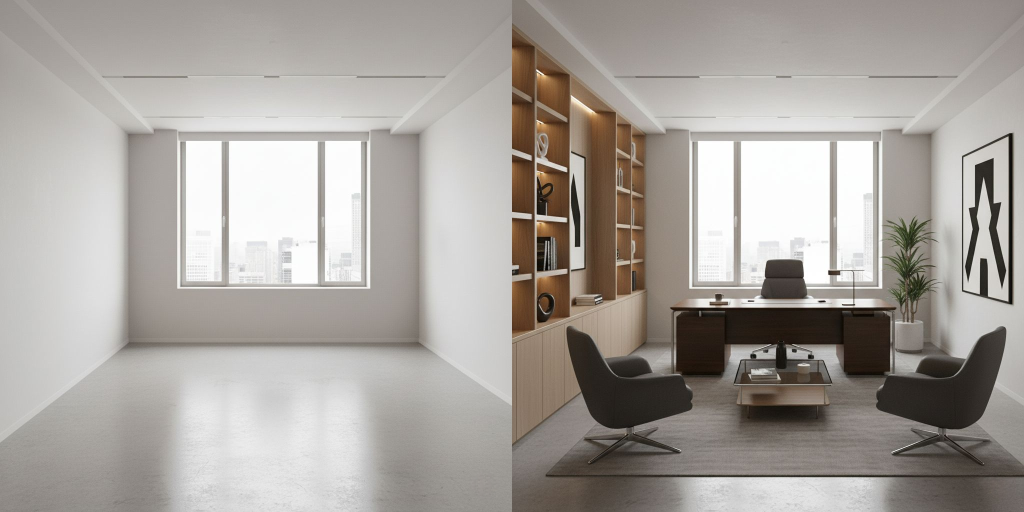
Effective executive office design ideas always include zoning. Begin with a focused work zone featuring a wooden desk placed toward natural light, improving concentration and posture. Add a meeting zone with a coffee table and two chairs for informal conversations. Finally, a lounge corner supports reading, reflection, or private calls.
Zoning visually organizes the space while strengthening workflow. It also cues the mind for different tasks—deep work, collaboration, and relaxation.
Select Furniture That Signals Authority and Comfort
Executive furniture should feel substantial without overwhelming the room. A wooden desk adds warmth and structure, while ergonomic chairs provide comfort during long work sessions. Shape and proportion matter too—rounded edges create hospitality, while sharp lines feel decisive and modern.
A curated mix of metal, wood, and soft upholstery adds balance, making the office feel both elevated and inviting.
Use Natural Light as the Foundation of the Room
Natural light plays a central role in executive office design. Position the primary desk near a window to maximize alertness, energy, and visual comfort. Layer this with warm ambient lighting, task lighting, and subtle wall accents to create a sophisticated evening environment.
Lighting sets the emotional tone of leadership spaces—it can make the room feel calm, powerful, or dynamic depending on the mix.
Build a Cohesive Visual Identity With Colors and Textures
A consistent design palette strengthens the atmosphere. Use two or three core tones—typically neutrals—paired with an accent color that reflects the brand or leadership personality. Textures such as leather, matte metals, wool fabric, and soft acoustic panels create a richer sensory experience.
This visual cohesion helps the space feel intentional rather than decorated.
Integrate Technology Seamlessly Into the Environment
Modern executive offices rely heavily on technology, but it should never clutter the room. Hide cables inside desk channels, use wireless accessories where possible, and mount screens at eye level for video calls. Discreet lighting controls, automatic blinds, or integrated charging pads elevate efficiency without disrupting aesthetics.
This subtle integration preserves the room’s visual calm and supports a high-performance workflow.
Personalize the Office With Meaningful and Wellness-Driven Elements
Leadership spaces benefit from character. Add framed artwork, photography, or sculptures that reflect personal taste. Consider a greenery feature—plants improve mood, air quality, and acoustic balance. A comfortable lounge chair encourages reflection and acts as a wellness anchor during long days.
Personalization enhances authenticity and emotional grounding, making the executive environment more welcoming and sustainable.
Add a Subtle Brand Presence Without Overstatement
Executives often host partners, clients, and team members in their offices. Incorporate brand cues—such as a signature color, logo plate, or texture inspired by company culture—to reinforce identity. These elements should feel refined and intentional rather than promotional.
Soft branding elevates the space while making guests feel they are entering a place of leadership.
Conclusion
By combining these executive office design ideas—strategic zoning, strong furniture choices, natural light, cohesive materials, integrated technology, and personal elements—you create a modern executive office that supports leadership presence and daily performance. A well-designed workspace doesn’t just look impressive; it enhances clarity, confidence, and long-term productivity.


