
Furnishing Multi-Site Franchise Locations: How to Standardize Furniture Without Losing Local Character
- 08 Oct, 2026
- Buying Procurement
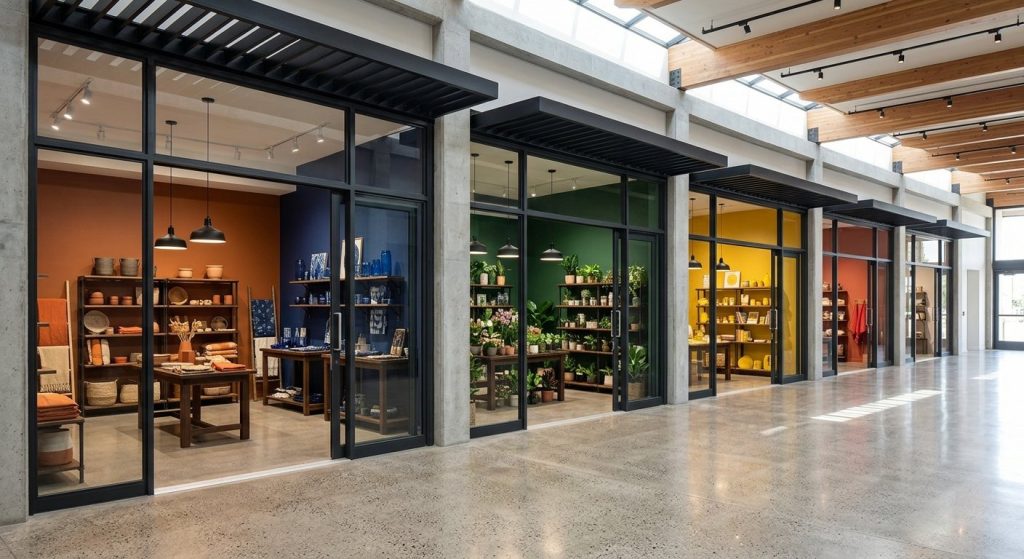
The answer isn’t choosing between standardization and local character — it’s separating your furniture spec into two tiers: a locked-down ‘core’ that never changes (structural pieces, workstations, back-of-house furniture) and a ‘flex’ zone where individual locations can adapt finishes, accent pieces, and layout to their market. Franchises that try to force 100% identical furniture into every location almost always end up with expensive change orders within the first year, because a strip-mall unit in Phoenix and a downtown flagship in Chicago simply don’t have the same footprint, foot traffic, or clientele.
Why ‘Identical Everywhere’ Almost Always Backfires
Here’s the mistake most franchisors make: they treat furniture standardization like a logo — same everywhere, no exceptions. That works for a logo. It doesn’t work for furniture, because physical space isn’t uniform. A 1,200-square-foot unit and a 2,800-square-foot unit can’t run the identical floor plan, no matter what the brand book says.
When corporate mandates identical furniture regardless of site conditions, franchisees push back — and they’re often right to. The result is usually a slow leak of non-compliance: local owners quietly swap in different chairs, add furniture that wasn’t approved, or skip pieces that don’t fit. Within two years, your ‘consistent’ brand experience is anything but.
The fix is building tolerance into the spec from day one, not after the complaints start rolling in.
The Core-and-Flex Framework
Split every furniture category into two buckets. Core items are non-negotiable — they carry the brand’s structural identity and get ordered from the same manufacturer spec every time. Flex items are approved-but-variable — a curated list of finishes, colors, or accent pieces that local operators choose from.
What typically belongs in Core
- Reception and counter furniture (the first thing customers see)
- Workstation frames and desking systems for back-of-house staff
- Storage and filing systems — see our breakdown of lateral vs. vertical file cabinets for how storage choice affects layout consistency
- Any furniture tied to safety or accessibility compliance
What typically belongs in Flex
- Upholstery colors and patterns (within an approved palette)
- Decorative seating in customer-facing lounge areas
- Wall-mounted shelving or display furniture that reflects regional merchandise
This isn’t a new idea — hotel chains have run core-and-flex for decades, which is part of why choosing the right hotel furniture manufacturer matters so much for consistency across dozens of properties. Franchises outside hospitality are just catching up.
Write the Spec Like a Contract, Not a Mood Board
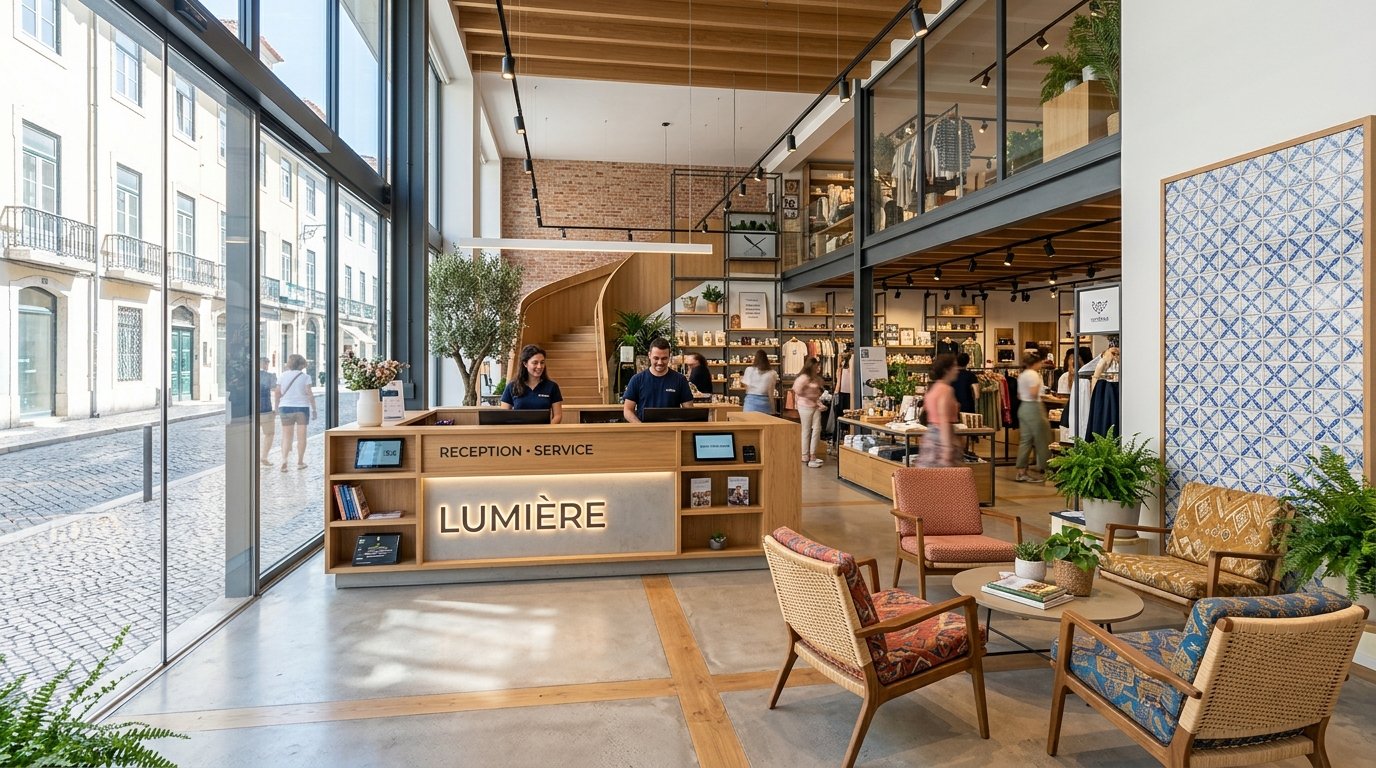
Vague furniture guidelines are the number one reason standardization fails at scale. ‘Warm, welcoming, on-brand seating’ means nothing to a franchisee choosing between twelve chair options online. Your spec needs hard numbers: seat height ranges, approved material codes, minimum weight capacity, exact SKU numbers for core items.
For flex items, define boundaries instead of banning creativity. For example: ‘Lounge seating fabric must be selected from Approved Palette B (6 colors), minimum 30,000 double-rub rating, must match one of three approved silhouettes.’ That gives local owners real choice while protecting the brand’s tactile consistency.
If you’re procuring furniture at scale across multiple sites, a formal RFP process pays off fast — our guide on writing an office furniture RFP covers how to get vendor bids that actually compare apples to apples.
A Real Example: Quick-Service Restaurant Chain Rollout
Consider a quick-service restaurant franchise expanding from 40 to 150 locations across three regions. Corporate locked the counter system, POS stations, and back-office desking as core — identical SKUs, identical suppliers, ordered in bulk for a 22% cost reduction versus one-off purchasing.
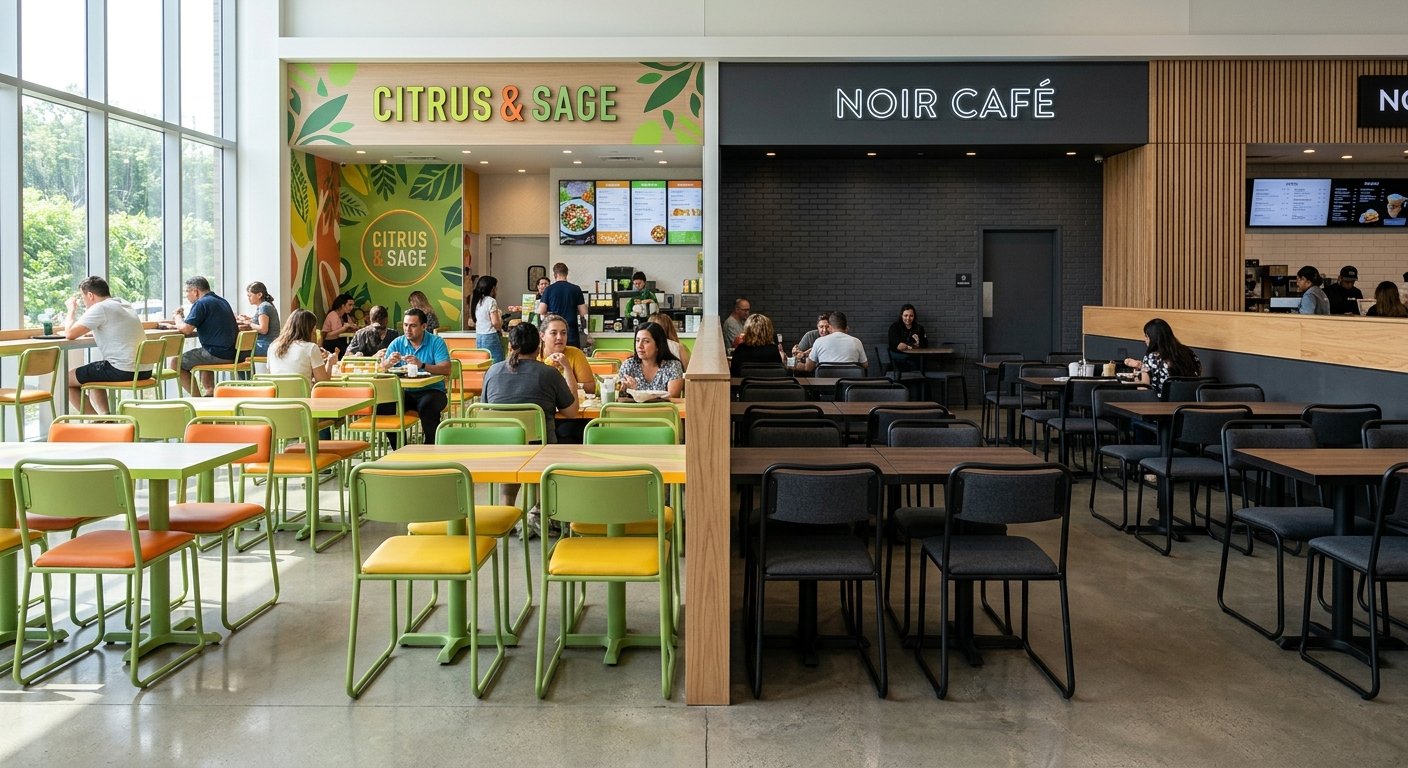
For dining area seating, they gave franchisees a flex catalog: four approved chair frames, six seat colors, two table finishes. A franchisee in a college town leaned toward brighter colors and communal tables; a franchisee in a suburban family market chose muted tones and more two-seaters. Same brand DNA, different local feel — and corporate never had to approve a one-off exception request.
The lesson: give operators a menu, not a mandate, and they’ll stay compliant because compliance doesn’t feel restrictive.
Phasing the Rollout Without Chaos
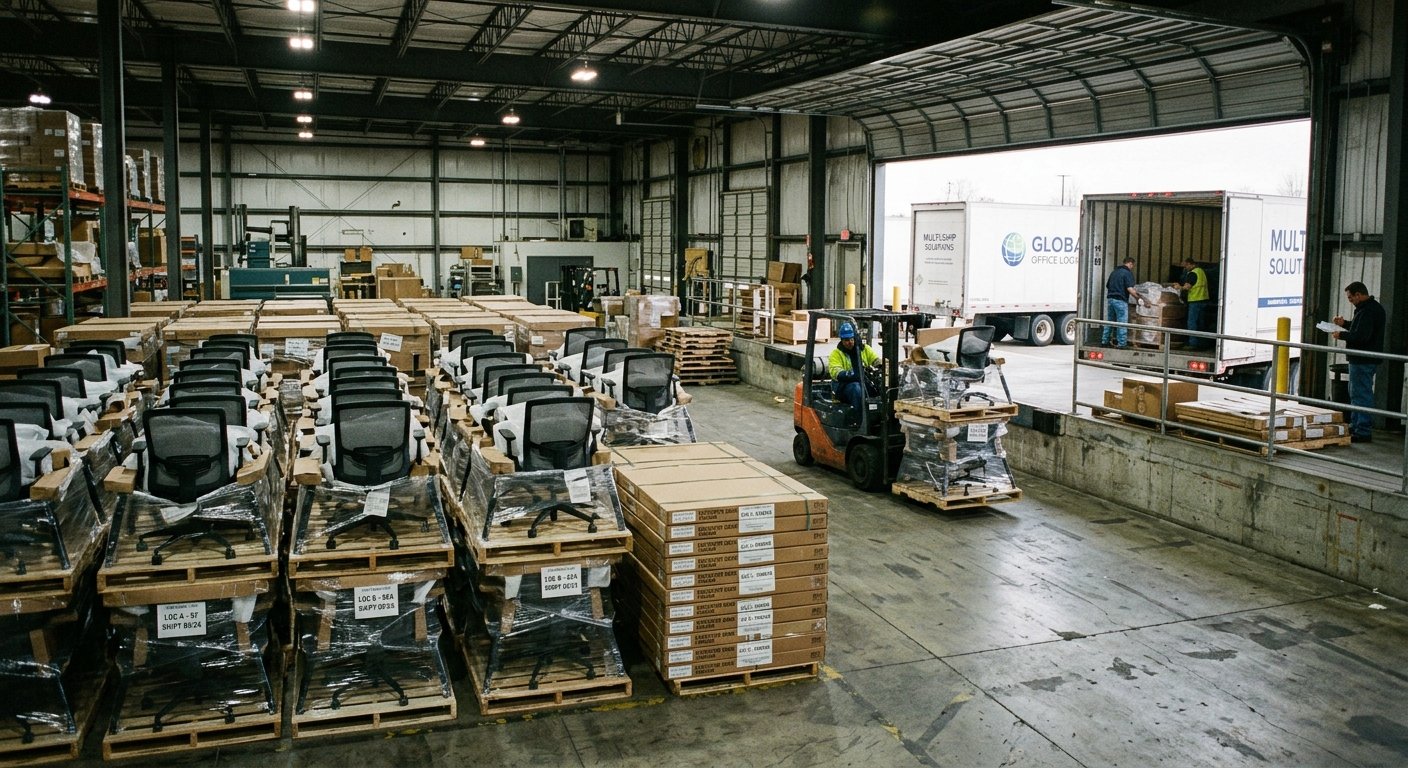
Furnishing 30 locations at once is a logistics nightmare if you haven’t planned staggered delivery windows. Most successful multi-site rollouts move in waves of 8-12 stores, spaced two to three weeks apart, so manufacturing and freight can keep pace without bottlenecking.
Franchisors also underestimate lead time variance. Core items ordered from a single manufacturer typically ship on predictable timelines, but flex items sourced from multiple regional vendors introduce scheduling risk. Build a 3-4 week buffer into flex-item deadlines so a delayed fabric shipment doesn’t hold up an entire store opening.
If you’re managing this across an existing footprint rather than new builds, phased replacement — not simultaneous — protects daily operations. It’s worth reviewing how a structured office furniture solution approach can apply the same phased logic to franchise back-office spaces.
Where Local Character Actually Adds Business Value
Local flex isn’t just a concession to franchisee ego — it’s a revenue lever. Customers notice when a location feels tailored to their neighborhood versus stamped out of a mold. A 2023 franchise satisfaction survey found units with any degree of localized design scored 18% higher on ‘feels like part of my community’ ratings than fully standardized units in the same chain.
Smart franchisors treat flex zones as marketing real estate. A location near a university might lean into communal seating and charging stations. A location in a retirement community might prioritize higher seat heights and easier-to-clean upholstery. Both stay within brand guardrails; both feel locally relevant.
Vendor Consolidation vs. Local Sourcing Flexibility
One overlooked standardization lever: does every franchisee have to buy core furniture from the same manufacturer, or can they source locally as long as specs match? Full vendor consolidation gets you volume pricing and consistent lead times, but it centralizes risk — one manufacturer delay stalls every open location.
A hybrid model works for most chains: lock core furniture to 1-2 approved manufacturers for pricing leverage, but pre-qualify a secondary regional vendor per territory as a backup for delays or damaged shipments. This is especially useful for large-format core pieces like conference and training furniture — the kind covered in our guide to furniture for training centers — where replacement speed matters more than perfect uniformity.
Maintenance and Warranty: The Standardization Payoff You Don’t See Upfront
Nobody budgets for furniture standardization based on year-three maintenance savings, but that’s often where the real ROI shows up. When 150 locations run the same core chair model, replacement parts, warranty claims, and repair labor all become predictable and centralized — instead of each franchisee handling a different manufacturer’s fine print.
Understanding the warranty terms upfront saves headaches later; our breakdown of how office furniture warranties really work is worth reviewing before locking your core spec, since some manufacturers void coverage for multi-site commercial use unless explicitly stated in the contract.
